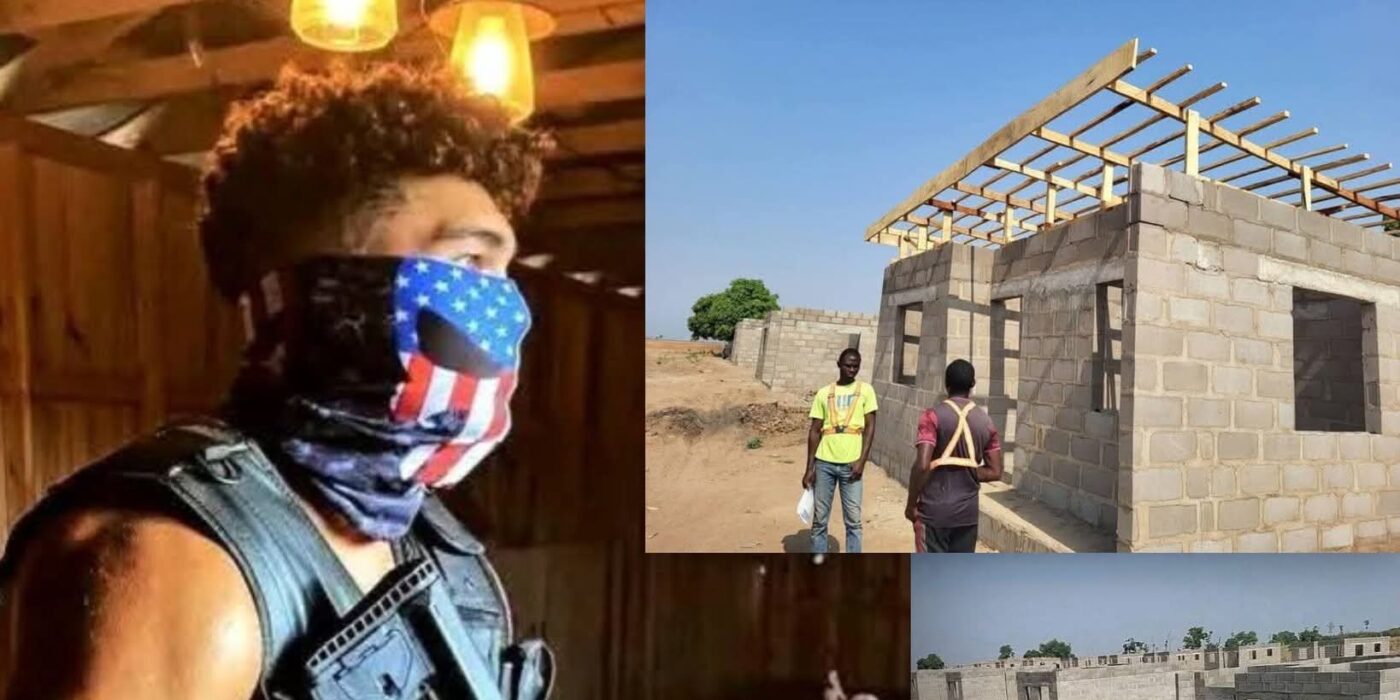
As the Benue State Government intensifies efforts to rebuild homes for victims of the devastating attacks in Yelewata community in Guma Local Government Area, questions have emerged about the fate of houses earlier reconstructed by American missionary and philanthropist Alex Barbir.
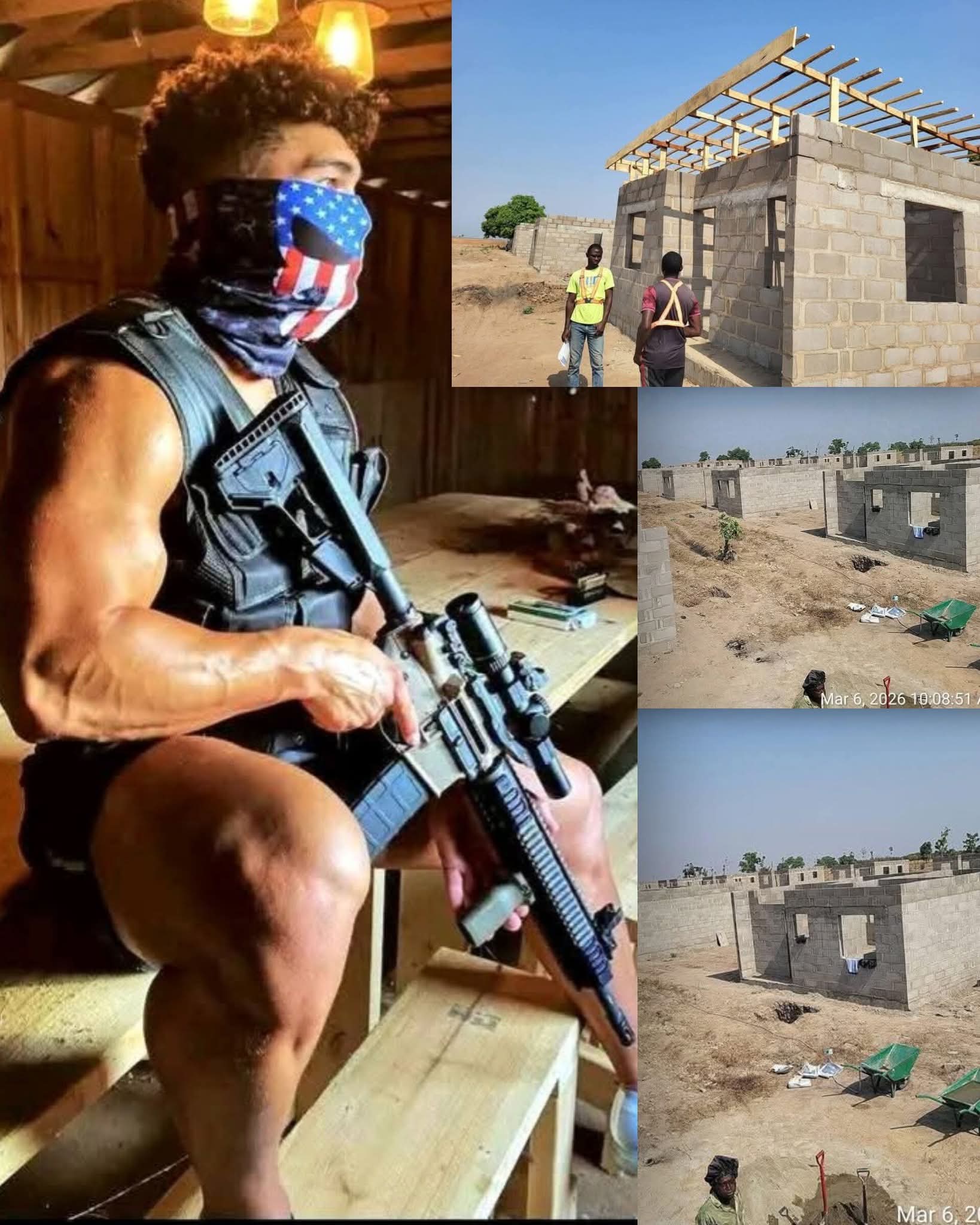
In early 2026, Alex Barbir, through his humanitarian organization Building Zion, rebuilt approximately 35 houses for survivors of the violent attacks that destroyed many homes in Yelewata. His intervention, which also included boreholes, clinics, and churches, was widely praised as a timely act of private humanitarian support when many victims were still displaced.
The Benue State Government has since flagged off and commenced its own large-scale resettlement and reconstruction project in the community. The government initiative involves the construction of dozens of two-bedroom housing units with modern amenities as part of a broader plan to provide permanent shelter and resettle affected families.
The development has prompted concerns from some residents and observers, who are now asking what will become of the houses built by Alex Barbir. Social media users have raised issues about possible duplication of efforts, ownership, and how both private and government interventions can best serve the victims without conflict or waste.
While the state government’s project focuses on creating a well-planned resettlement layout with additional infrastructure such as schools and health centres, there has been no official statement yet on the integration or status of the earlier houses constructed through private efforts.
Yelewata remains one of the communities worst hit by insecurity in Benue State, with hundreds feared killed and many properties razed during coordinated attacks in 2025. The dual reconstruction activities highlight both the scale of the humanitarian needs and the involvement of different actors government and private philanthropists in addressing the crisis.
As construction progresses, many affected families and community stakeholders hope for proper coordination to ensure that all rebuilt houses are effectively utilized and that victims are not left in uncertainty regarding their new homes.
The situation underscores the challenges of post-conflict recovery in Benue State, where government intervention often intersects with private humanitarian initiatives. Further clarification from the state government on how the different housing projects complement each other is expected as the rebuilding exercise advances.