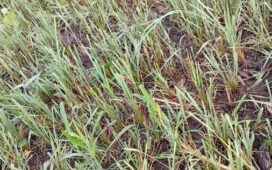
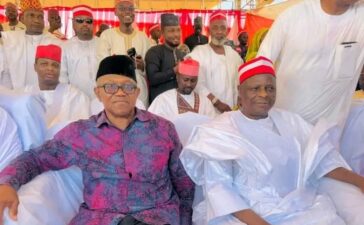
Twenty-five years ago, Zaki Terurungwa Gwaza Bunde rose before dawn not because the day demanded it, but because the land did. As clan head of Mbatyav in Shitile, Benue State, he walked fields where yam mounds stretched beyond sight and cassava stood in disciplined rows, each plant a promise of food, trade, surplus, and continuity. Children trailed him into the soil, baskets swinging, laughter rising with the roosters. The earth answered to touch. The seasons kept their word. So did the king.

Today, that same man wakes at the same hour—not to farm, but to queue.
A poignant feature published by Vanguard Newspapers titled “Attention Nigeria: Capturing new life of Zaki, Benue King now in IDP Camp” paints a stark portrait of displacement that has become tragically familiar across Nigeria’s Middle Belt. Zaki, once a figure of authority, identity, and leadership stitched into every harvest, now lives in a canvas tent under relentless sun, dust coating bare feet, hands that once settled disputes and blessed crops now clutching ration cards.
The piece describes a profound reversal: tools that carved dignity from the soil lie abandoned and rusting where fear forced their owners to flee. Farming, once certainty, has become impossible. “You cannot plant when you are running,” Zaki says. “And he is still running.”
Insecurity has turned fertile fields into risk zones. Rumours harden into named threats. Returning to harvest becomes a gamble with no compensation for loss of life. Crops rot mid-season. Tools drop where fear arrives faster than rain. What remains is not just hunger, but the deeper insult: when a clan head is reduced to an IDP number, dignity itself is displaced.
Benue—still called the food basket of the nation on paper—now watches many of the hands that once fed the country remain idle. Fields lie fallow. Production collapses while market prices mutate: yam becomes luxury, cassava becomes compromise, meals shrink. Children sleep hungry not because the land is poor, but because production has been strangled where it should have been strongest.
Food aid arrives in trucks, the article notes, but food security is not charity. It is protection, stability, infrastructure—none of which exist inside a camp. Emergency relief has replaced policy. Camps have replaced communities. Dependency has replaced dignity.
Zaki’s story is not exceptional. Across Benue, Taraba, and other flashpoint areas, farmers face the same cruel arithmetic: leave or die. Yet the symbolism cuts deeper when it is a traditional leader—a king—who now stands in line for handouts, his authority eroded not by time or succession, but by violence that has emptied the very land he once ruled.
The Vanguard narrative ends on a haunting note: Zaki still knows when the rains will come. He still wakes at the hour the land once called him. But the land no longer waits. It waits for peace, for protection, for the return of hands that can once again plant without running.
Until then, the former king joins the queue—another casualty of a crisis that has turned providers into the provided, and kings into statistics. The deeper question lingers: when the farmers stop farming, where does the nation go for food? And when the kings stand in line, who is left to lead?