An American humanitarian named Alex Barbir has become a focal point of conversation in Benue State, Nigeria, following his extensive work rebuilding communities affected by violence and displacement. A recent Facebook post by a local figure, D’nnaked Elder Sughne, has highlighted both praise for Barbir’s contributions and a call for proper courtesy processes when external individuals engage in such activities within local council areas.

According to the post, Barbir, described as an American citizen on a mission to assist people in need worldwide, has made significant impacts in several African countries, including Nigeria. In Nigeria, he has reportedly undertaken numerous projects in states such as Adamawa, Plateau, Taraba, and now Benue. The post specifically notes his work in Benue, where he has focused on areas hard-hit by insecurity and attacks.
Just recently, Barbir is said to have commissioned 35 rebuilt houses in Yelewata, located in Guma Local Government Area of Benue State. The initiative aims to provide shelter for families displaced or affected by violence, with plans reportedly in place to commission additional houses soon. Beyond housing, his efforts have extended to venturing into remote forests, villages, and high-risk zones that even local residents and security personnel hesitate to visit, including areas in Kwande Local Government Area.
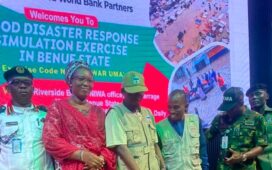
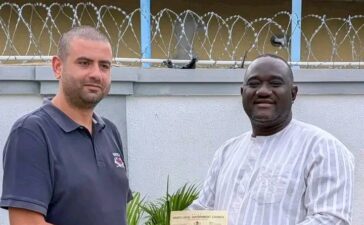
The post emphasizes that Barbir formally introduced himself to the Benue State Government and has established working relationships with officials, including the Commissioner for Humanitarian Affairs, the Secretary to the State Government (SSG), and other appointees under Governor Hyacinth Iormem Alia. This engagement is presented as evidence of his cooperative approach.
However, the discussion also addresses concerns raised by some local council chairmen regarding the need for courtesy notifications. The author agrees that such protocols are appropriate, arguing that while no one can prevent humanitarian work, informing local authorities serves security purposes and shows respect for protocol. In one instance, the poster mentioned attempting to contact a council chairman multiple times ahead of Barbir’s visit to Kwande but receiving no response, leading to efforts to inform others close to the governor as potential witnesses.
The post stresses that Barbir operates independently, without affiliation to any political camp or direct invitation from the current government. He is portrayed as someone who simply responds to needs by helping direct affected individuals and communities, driven by a belief in assisting those in distress. The author notes that in regions like Benue, even basic acts can become politicized, and warns that “bad eggs” might exploit his goodwill for political gain.
Looking ahead, the poster indicates that discussions with Barbir have led to an understanding that official processes will be followed moving forward to ensure smoother coordination.
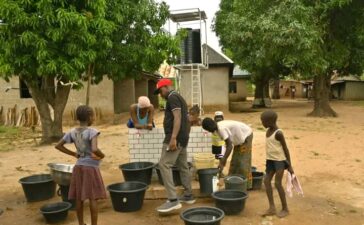
Barbir’s work has drawn attention for filling gaps in reconstruction and aid where government efforts have been slower or insufficient, particularly in rebuilding homes, providing essentials, and highlighting the plight of displaced persons in IDP camps and attacked communities. His hands-on presence in dangerous areas has been both commended for its bravery and used to underscore ongoing humanitarian challenges in the state.
As Barbir continues his efforts across Benue and other regions, the conversation reflects a broader tension between independent humanitarian action, local governance protocols, and the urgent needs of vulnerable populations in conflict-affected areas.