A Senior Advocate of Nigeria, Chief Joe Kyari Gadzama, and another lawyer, Ocha Ulegede, have been suspended from legal practice by the Legal Practitioners and Disciplinary Committee (LPDC) for three years and two years respectively.
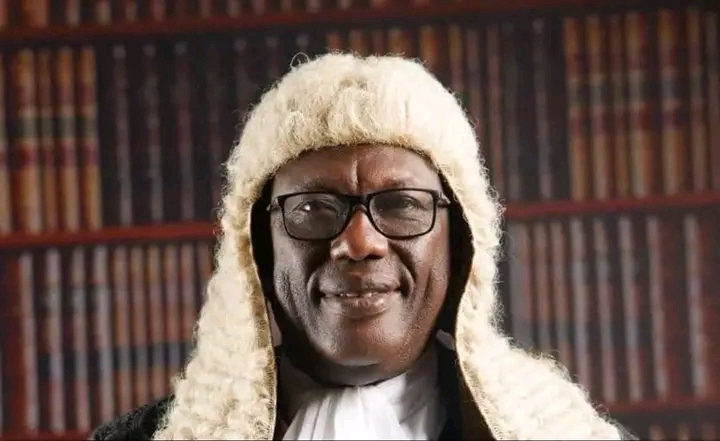
The suspensions followed a petition numbered BB/LPDC/1314/2024 filed by lawyer Chris Alashi. The LPDC found the respondents, Ocha Ulegede, Esq., and J.K. Gadzama, SAN, liable for breaching various Rules of Professional Conduct for Legal Practitioners, 2023, over their roles in the matter, which the committee deemed misconduct. Justice Halima Ibrahim, who delivered the judgment, directed that the Chief Registrar of the Supreme Court, all heads of superior courts of record in Nigeria, and the Inspector-General of Police be formally notified of the suspensions.
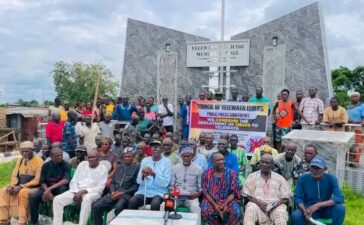
The case that gave rise to the disciplinary action relates to compensation claims arising from the military operation carried out in Benue State in October 2001 following the killing of 19 soldiers. During the operation, soldiers invaded Zaki Biam and surrounding communities, resulting in the deaths of hundreds of civilians and widespread destruction of property. Victims sought compensation for the deaths, destruction of property and alleged violations of their fundamental rights.
The plaintiffs were represented by lawyers including Sebastian Hon (SAN), Ocha Ulegede and Chris Alashi. On 5 July 2007, Justice Lewis Allagoa of the Federal High Court, Enugu, awarded the plaintiffs ₦41.8 billion as compensation against the federal government. The federal government appealed the judgment to the Court of Appeal but later entered negotiations with the plaintiffs to settle the matter out of court. During the negotiations, the parties reportedly agreed to reduce the compensation from ₦41.8 billion to ₦8 billion.
The proposed settlement later became the subject of reports that the compensation would be paid through the Benue State Government under then-Governor Gabriel Suswam. The plaintiffs and their lawyers objected, arguing that the money should be paid directly to the successful litigants because the state government was not a party to the suit, and noting that the court had not yet adopted the out-of-court settlement.