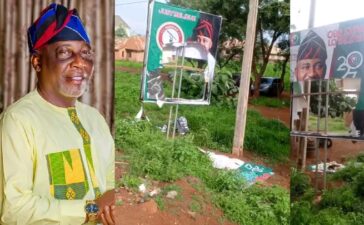
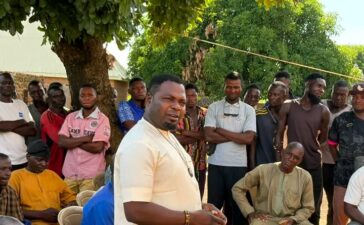
A viral Facebook post by Asom D Jerry has sparked fresh controversy in Benue State, with the social media user leveling serious accusations against Mr. James Aondoakaa Iorpuu, the Executive Secretary of the Benue State Emergency Management Agency (SEMA) and Permanent Secretary in the Ministry of Humanitarian Affairs and Disaster Management.

In the post, Jerry claims that Iorpuu has halted feeding for Internally Displaced Persons (IDPs) in the state over the past two months, despite the agency allegedly receiving ₦350 million monthly from a local government joint account. He further alleges that over ₦12 billion intended for IDP support has been diverted, pointing to the official’s acquisition of properties across Nigeria and a new duplex in Makurdi as evidence of personal enrichment.
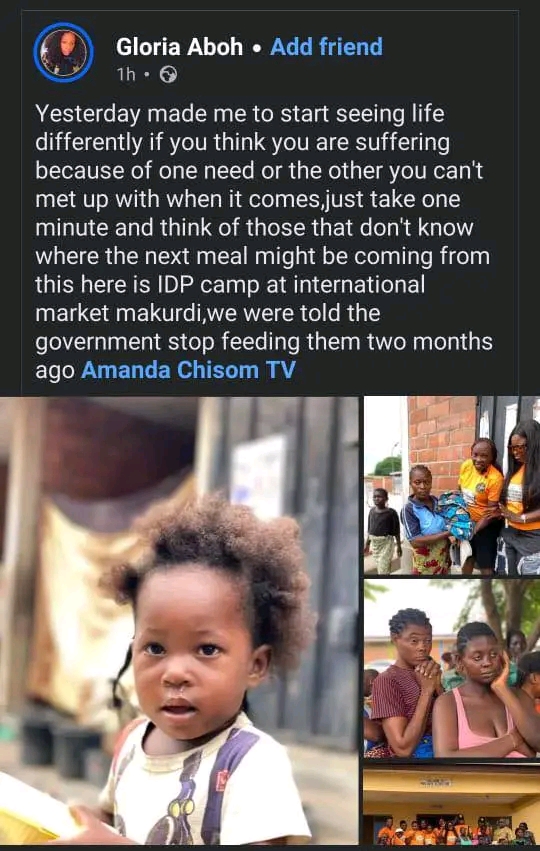
The accusations come amid ongoing humanitarian challenges in Benue, where farmer-herder conflicts and insecurity have displaced hundreds of thousands of residents. IDP camps have long struggled with issues of overcrowding, inconsistent aid, and reports of diversion, though state officials have repeatedly highlighted monthly distributions of food and non-food items to affected communities.
Iorpuu and the Alia administration have been vocal about their efforts to provide relief, promote self-reliance, and facilitate the return of IDPs to their ancestral homes. Recent reports document distributions of rice, beans, noodles, oil, and other essentials across multiple camps, alongside biometric registration initiatives aimed at improving transparency and targeting.
Critics, however, continue to raise concerns about accountability, especially given past protests by IDPs over alleged starvation and poor conditions in some camps. Jerry’s post urges the public to question Iorpuu directly if approached by his “Divine Mandate” group, framing the situation as a betrayal of vulnerable populations.
As of now, there has been no official response from Iorpuu or SEMA to these specific claims. The post has ignited discussions online about governance, transparency in humanitarian aid, and the plight of IDPs in Benue State, a region still grappling with the human and economic costs of prolonged insecurity.
This situation underscores the urgent need for independent verification of aid flows and stronger oversight mechanisms to ensure that resources meant for the displaced actually reach those in desperate need. Benue’s IDPs deserve more than political accusations they need sustained, accountable support to rebuild their lives.