The Universal Reformed Christian Church, popularly known as the NKST Church, has rejected the Federal Government’s proposed pilot ranching programme in Benue State, citing the killing of 5,987 of its members and the destruction of 753 worship centres during attacks blamed on armed herdsmen.
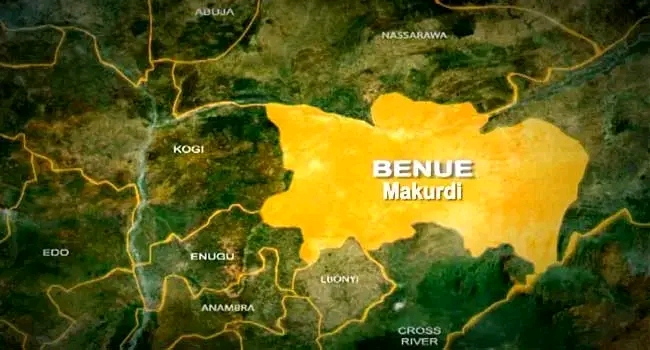
The position was contained in a statement by the General Secretary of the NKST Synod Executive Committee, Rev. Ta Targba, who said the Church was not opposed to peaceful livestock farming but strongly rejected the use of Benue as a pilot state for the Federal Government’s ranching policy.
Targba acknowledged the Federal Government’s efforts to find a lasting solution to the recurring herders-farmers crisis but argued that the priority should be the protection, restoration and resettlement of communities displaced by the violence. He stated that Benue is not merely a geographical space available for allocation, noting that it forms the foundation and livelihood of millions of people.
According to him, generations of Benue people had cultivated their ancestral lands and established homes, churches, schools, hospitals, markets and other institutions on them. He insisted that any policy involving land allocation, acquisition or conversion must take into consideration the ancestral rights, livelihoods, property rights and constitutional interests of the people occupying and cultivating the land.
The NKST General Secretary questioned why Benue, which had suffered extensive displacement and destruction from violent conflicts, should be selected as a “laboratory” for a policy involving land allocation for the livestock economy allegedly associated with the crisis. “The NKST Church therefore asks: Why should a state whose people have suffered displacement and destruction because of violent conflict now be selected as a laboratory for a policy involving land allocation for the same livestock economy that has been at the centre of these conflicts?” he said.
The Church maintained that the proposed ranching scheme was unacceptable in a state where thousands of indigenous people had been displaced by violence and many communities were still unable to return to their ancestral homes.