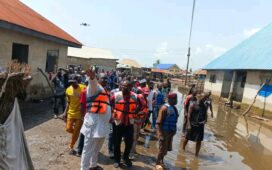
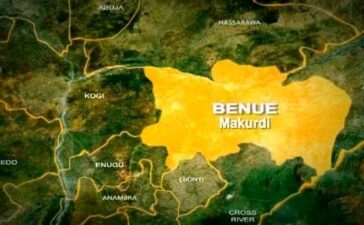
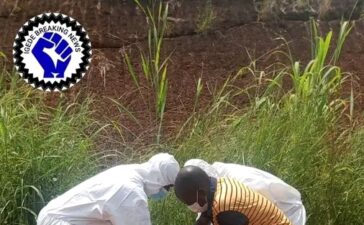
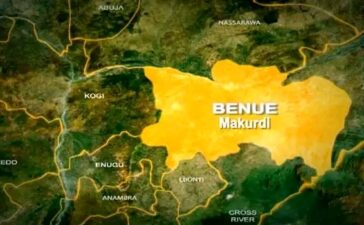
Environmental advocates are raising alarm over the alarming level of pollution along River Benue, particularly at the stretch passing through Wadata Market in Makurdi, where massive heaps of waste have turned a vital waterway into a dumping ground. According to concerned citizens, including Mfon Cyril Udoh, the situation poses serious threats of flooding, waterborne diseases, and long-term ecological damage.

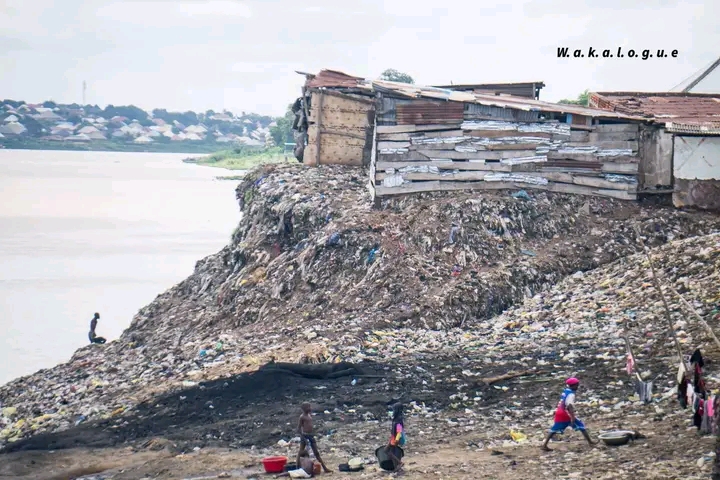
While natural factors such as climate change and heavy rainfall contribute to flooding, human activities remain a major culprit. Blocked drainage systems, caused by indiscriminate dumping of dirt, debris, plastics, and other non-biodegradable materials, exacerbate the problem. Recent flooding in Jos has been cited as a clear example of how clogged channels lead to disaster. Plastics, nylons, and synthetic fibres do not decompose easily and can take hundreds of years to break down, yet many residents continue to throw waste from vehicles and windows without a second thought.

Scavengers are commended for their efforts in picking up bottles and cans, but they cannot handle the sheer volume of refuse generated daily. Residents are urged to play their part by keeping gutters free and clean, refraining from throwing non-decomposable materials indiscriminately, and adopting responsible waste disposal habits. Simple practices, such as carrying waste until a proper bin is found, can make a significant difference.

River Benue, one of West Africa’s most important rivers and a major feeder to the Niger River, has historically served as a crucial trade route across Cameroon, Adamawa, Taraba, Nasarawa, and Kogi. However, the current state of the river at Wadata serves as a stark warning. Pollution threatens aquatic life, contaminates water sources, and endangers communities that depend on the river.

As floods continue to affect various parts of Nigeria and beyond, stakeholders are calling on authorities to act urgently before the damage to this critical ecosystem becomes irreversible. The message is clear: save the drainage systems and save the environment.