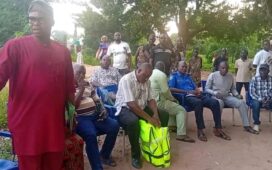
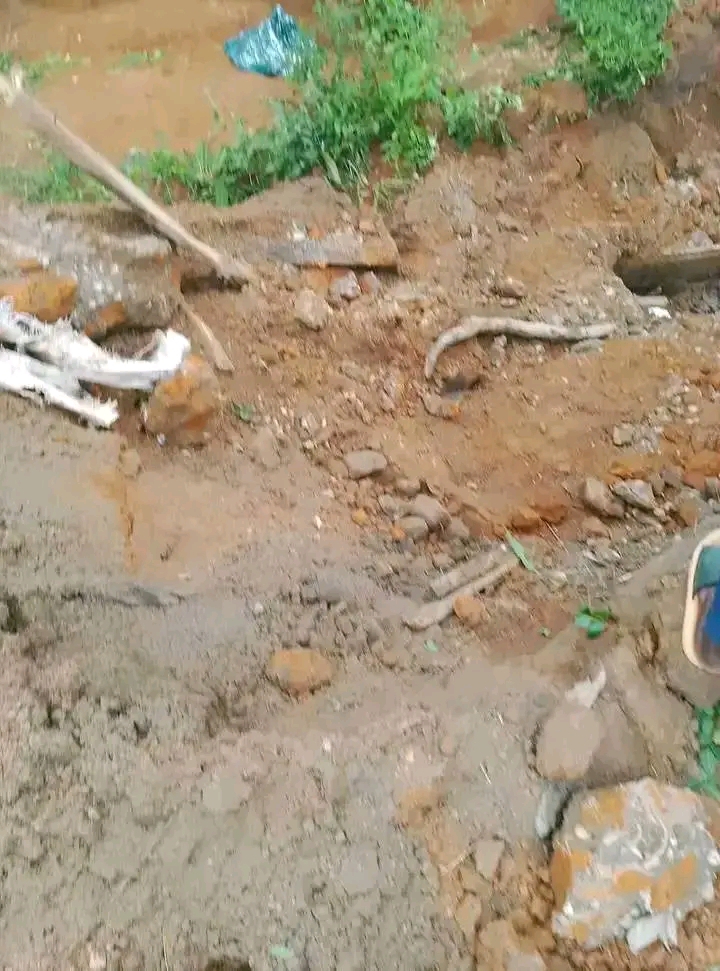
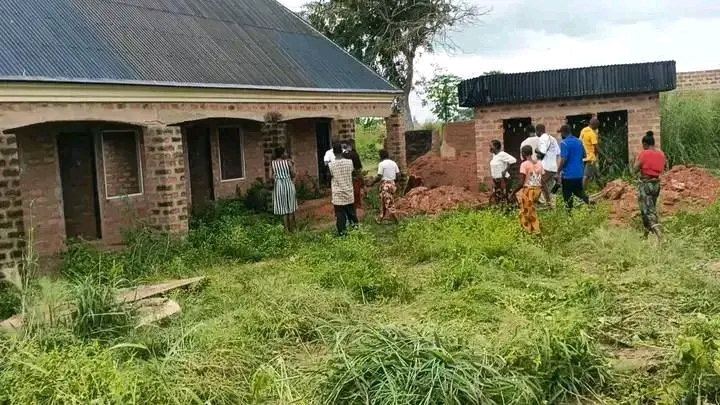
The Benue State Government, in consultation with stakeholders from both communities, has exhumed the remains of the late Samuel Terzungwe of Nongov in Guma Local Government Area in a bid to resolve a long-standing crisis between the Mbakor and Nongov communities.
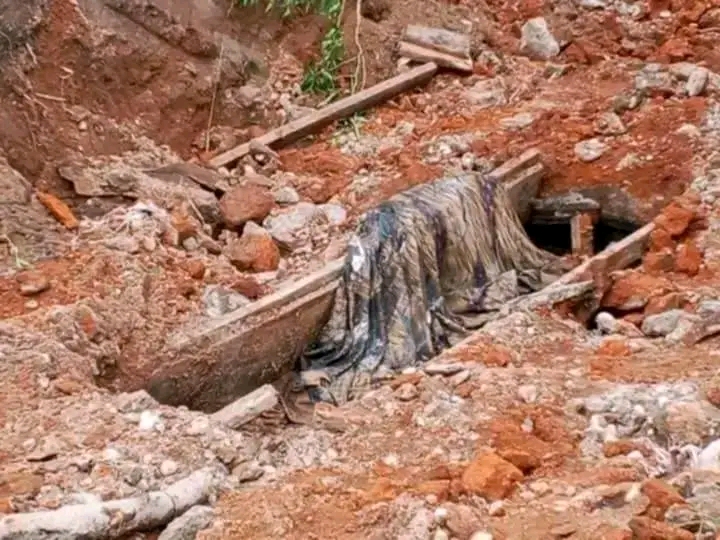
The development has drawn mixed reactions, with some questioning the decision to disturb the grave.
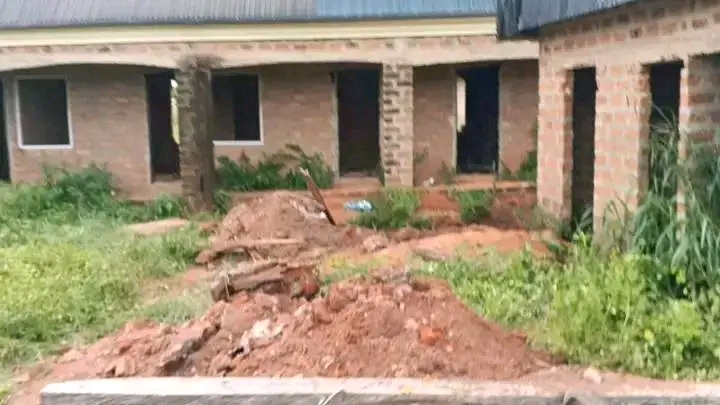
According to accounts of the dispute, Samuel Terzungwe, originally from Nongov, purchased a piece of land from the Mbakor community in what is now Tarka Local Government Area. Upon his death, his relatives insisted on burying him on that land against the wishes of the Mbakor people, sparking the prolonged tension between the two groups.
In Tiv tradition, a person is customarily buried on ancestral land. Even when someone dies far from home or acquires property elsewhere, the body is usually returned to the place of origin for burial. Burial outside one’s ancestral community is possible only with the host community’s permission or in a recognised cemetery under applicable rules. Acquiring land in another community does not automatically confer the right to be buried there without regard for local customs.
Observers note that leaving the remains in place could have raised future questions about ancestral claims by descendants, even though burial alone does not establish land ownership.
The decision to exhume the remains is being viewed by some as a potential step toward ending the crisis, provided it was reached through proper consultation, carried out in accordance with the law, and conducted with respect for the deceased and his family. The matter is not regarded as a victory for one community over the other, but as an effort to settle a long-standing disagreement and prevent further conflict.
Both communities have been urged to embrace peace and mutual understanding, while the government and traditional leaders are expected to ensure a fair resolution and put measures in place to avoid similar disputes in the future.