Governor Hyacinth Iormem Alia of Benue State has urged the Judiciary to carefully consider the broader economic and developmental implications of garnishee proceedings involving government accounts, expressing concern that substantial deductions could constrain the state’s ability to meet its development obligations.
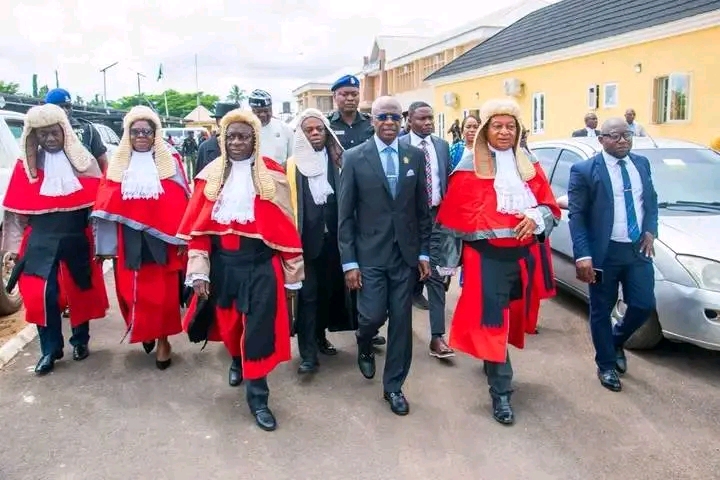
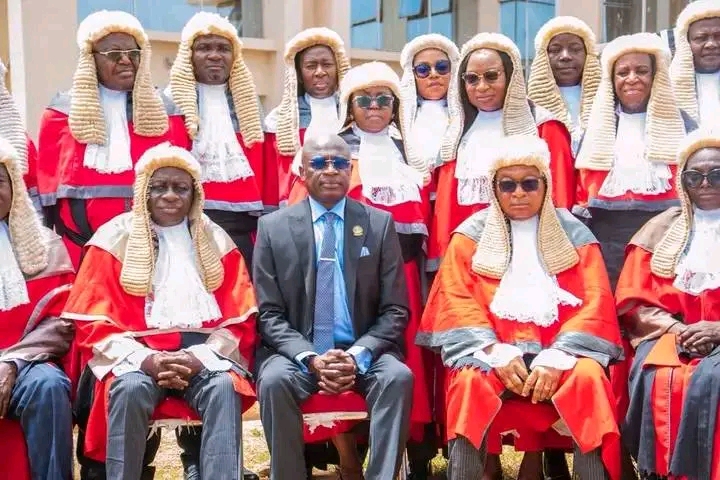
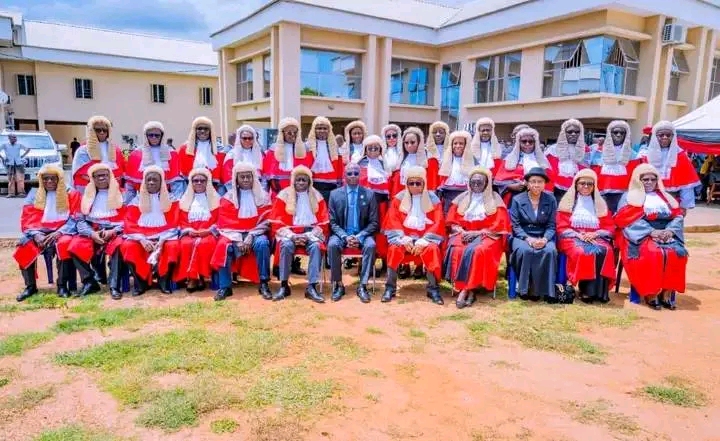
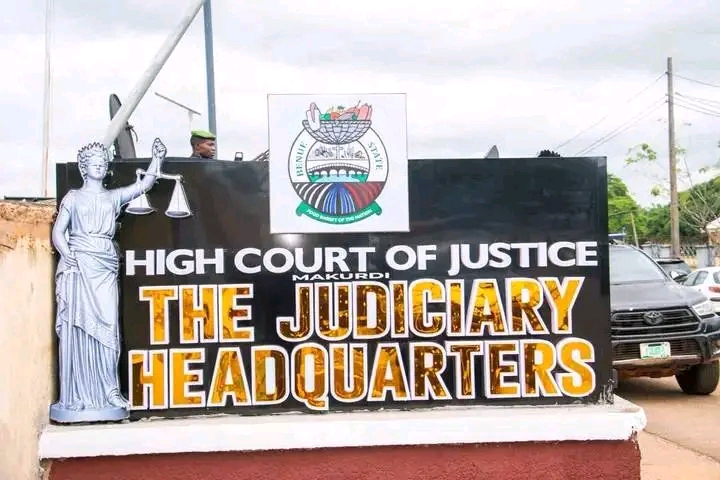
The Governor spoke on Monday, 14th September 2026, during a special court session held at the headquarters of the Benue State High Court in Makurdi to mark the commencement of the 2026/2027 Legal Year. He stressed that the circumstances required closer understanding and cooperation between the Executive and the Judiciary, insisting that the two arms of government should complement rather than work against one another in matters affecting the welfare of citizens.
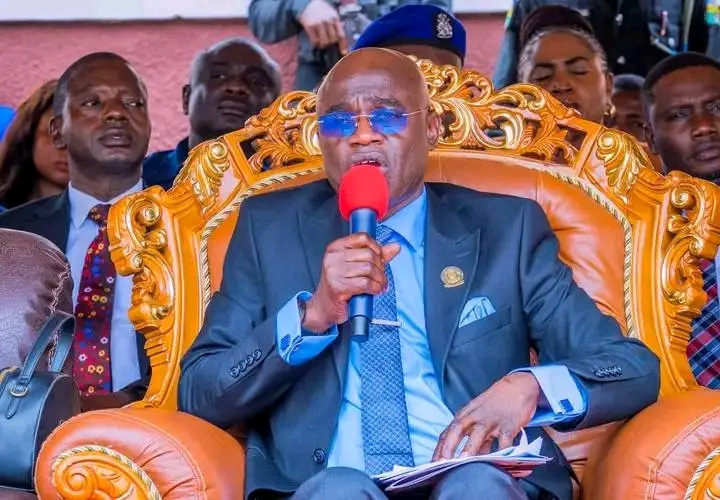
Alia called on judicial officers, lawyers and other justice-sector professionals to remain committed to the highest standards of ethical conduct, fairness and integrity. He noted that public confidence in the administration of justice could only be sustained where citizens were assured that their cases would be handled professionally and without fear or favour. The Governor also urged the Judiciary to explore measures for reducing delays in litigation, saying timely resolution of cases was essential to the protection of citizens’ rights and the stability required for investment and economic growth.

He said his administration was pursuing an agenda that placed emphasis on security, agriculture, infrastructure, education, healthcare and economic expansion, adding that these objectives required a stable legal and institutional framework. Alia reiterated his administration’s commitment to the rule of law and pledged continued support for efforts to improve the effectiveness of the justice system. He further called for judicial support for the state’s economic and agricultural expansion initiatives, expressing confidence that the new Legal Year would provide an opportunity for stakeholders to confront existing challenges in the sector.

During the session, the Governor announced that he had approved N40 million for the three branches of the Nigerian Bar Association (NBA) in the state to enable them to participate in the association’s Annual General Meeting. He disclosed that vehicles had been provided to all newly appointed High Court Judges, with similar support to be extended to other senior judicial officers, while three vehicles had also been provided, one each, for the NBA branches in Makurdi, Gboko and Otukpo. In addition, a VIP bus had been provided for spouses of judicial officers under the leadership of the wife of the Chief Judge of Benue State.
Governor Alia explained that these interventions were not based on prior requests but were driven by his administration’s commitment to the welfare of judicial officers and stakeholders in the justice sector. He assured the Judiciary of sustained support for initiatives aimed at improving the working environment of the courts and strengthening the administration of justice. He maintained that the benefits of the autonomy granted to the Judiciary were already evident in the projects and interventions being implemented, noting tangible improvements since his administration began supporting the sector.
He also announced that a modern administrative complex for the Ministry of Justice was under construction in Makurdi, equipped with state-of-the-art facilities to enhance staff productivity and efficiency, while modern office accommodation was being constructed at the State High Court Headquarters.
In his remarks, the Chief Judge of the state, Justice Maurice Ikpambese, charged judicial officers and members of the legal profession to remain resolute in the administration of justice. He urged the Bench and Bar to reject frivolous processes and avoid unnecessary adjournments capable of prolonging litigation, stressing that judges and lawyers must recognise their complementary roles in upholding justice and strengthening the rule of law.

Attorney-General and Commissioner for Justice, Prof. Timothy Yangien, said the theme of the Legal Year, “The Nigerian Judiciary at a Crossroads: Innovation, Accountability and Public Trust,” underscored the need for reforms capable of restoring greater confidence in the justice system. He advocated improved accountability, transparency, integrity and professional responsibility among stakeholders.

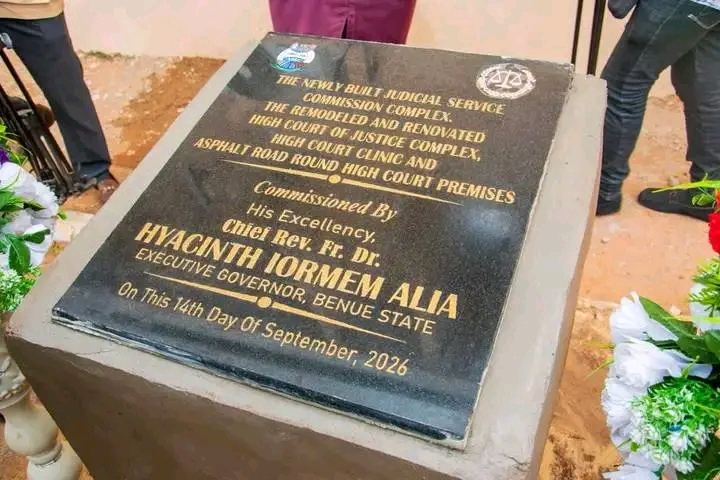
The event culminated in the commissioning of several judicial projects, including the Judicial Service Commission complex, a clinic at the High Court, asphalted internal roads and the remodelled High Court complex. The Governor expressed optimism that the facilities would provide a more conducive environment for judicial operations and contribute to improved justice delivery in the state.