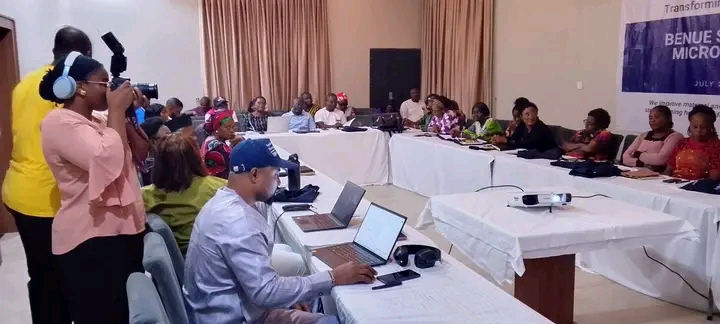
The Transforming Lives through Nutrition (TLTN) Project was formally launched in Benue State on Wednesday with an inception workshop held at Batoha Resort, Makurdi, bringing together senior officials from Ministries, Departments and Agencies, development partners, and civil society organizations.
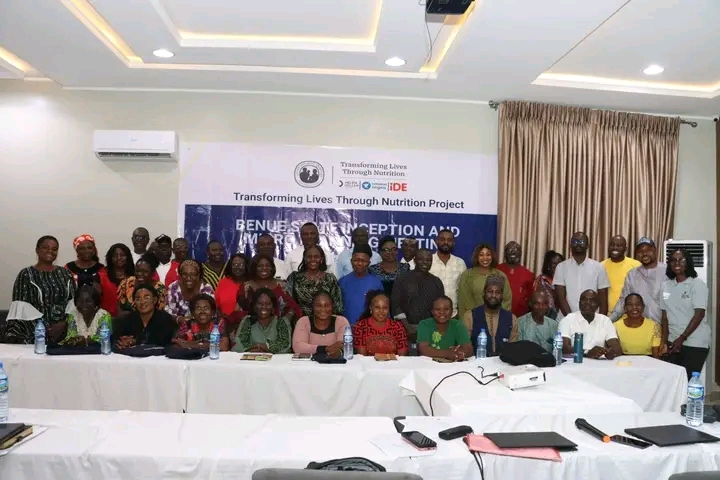
The initiative, funded by Helen Keller International in partnership with Vitamin Angels and International Development Enterprise (iDE), is designed to improve maternal and child health outcomes through evidence-based nutrition interventions. It also seeks to strengthen health and food systems by placing women and children at the centre of program design and delivery.
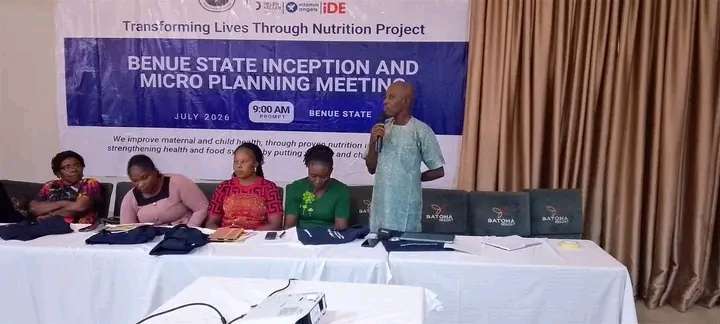
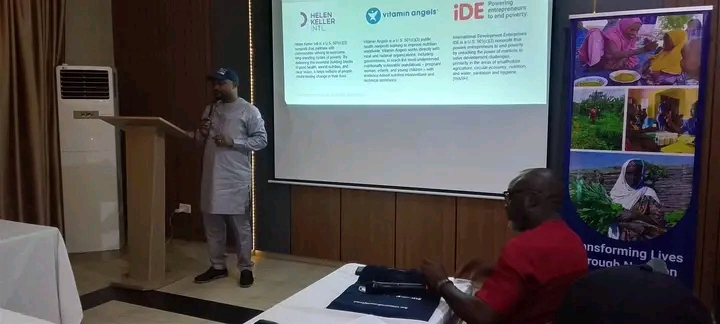
In a detailed presentation, Mr. Micheal Daniel Eveshoyan, State Program Manager of TLTN, outlined the project’s objectives, thematic areas, planned activities, deliverables and expected outcomes. He said the program will operate across eight thematic areas covering both nutrition-specific and nutrition-sensitive interventions. These include Vitamin A Supplementation and Deworming, Multiple Micronutrient Supplementation, breastfeeding promotion, infant and young child feeding promotion, and acute malnutrition screening and treatment, as well as agricultural production, empowerment, and Water, Sanitation and Hygiene (WASH).
Mr. Eveshoyan noted that while all eight areas will be addressed, the Benue implementation will place greater emphasis on the nutrition-sensitive components specifically agricultural production, supply chain and small market enterprise development, and WASH given the state’s agrarian economy and the critical link between food systems and nutrition. Five Local Government Areas have been selected for the pilot phase: Gboko, Tarka, Obi, Ushongo and Vandeikya. Implementation will be delivered through Primary Health Care centres and community structures in the selected areas.
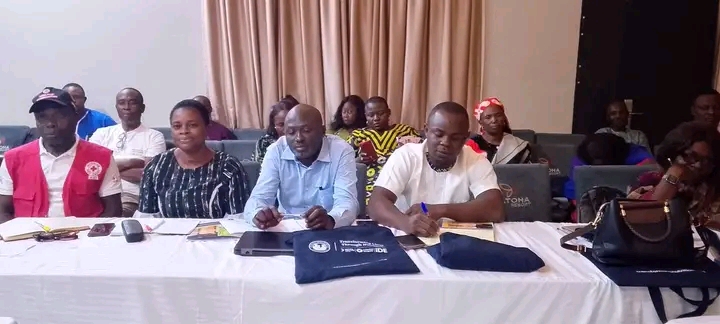
Declaring the workshop open on behalf of the Honourable Commissioner for Health and Human Services, Dr. Paul Ogwuche Ejeh, represented by Mr. Josephe Ude, welcomed participants and commended Helen Keller International for its sustained support to maternal and child health programmes in the state. He described TLTN as “an important add-on to the existing VAS work” and urged stakeholders to ensure ownership at all levels.
Goodwill messages were delivered by representatives of key MDAs and development partners. Dr. Mohammed Abdulkarim, State Coordinator of the World Health Organization, and Mr. Benjamin Ugba of the UNICEF Enugu Field Office reaffirmed their commitment to provide technical support and work in synergy with TLTN to address nutritional gaps in women and children. Speaking for the Ministries of Agriculture and Food Security, Women Affairs and Social Welfare, Information and Orientation, and the Budget and Economic Planning Commission were Dr. Gabriel T. Amase, Mr. Abol Alfred Terseer, Comfort Ejima Ajunwa and Ag. Permanent Secretary Orinya Ogenyi respectively. They all appreciated Helen Keller International and its partners for bringing TLTN to Benue and pledged to leverage their ministries to amplify sensitization, mobilize communities and support smooth implementation.

In his closing remarks, the Acting Executive Secretary of the Benue State Primary Health Care Board, Pharm. Samuel T. Mbatsoron, assured the TLTN team of the Board’s commitment to support the programme. He said the Board will integrate project activities into the Primary Health Care system in the five pilot LGAs to ensure sustainability and reach. The Director of Community Health Services, who represented the Acting Executive Secretary, further thanked all stakeholders for their time and contributions and wished participants safe trips to their destinations.
The workshop was attended by directors from the local government health authorities of the five selected LGAs, nutrition focal persons and desk officers, representatives of ACReSAL, and civil society organizations working in health and nutrition.
Transforming Lives through Nutrition is a multi-partner project that combines direct nutrition services with systems strengthening. With Nigeria continuing to face a high burden of child stunting and maternal anemia, particularly in agrarian states like Benue, the project aims to bridge gaps in service delivery while boosting household food production and access to clean water and sanitation.