Join our WhatsApp channel HERE for the latest Benue news and updates!
Benue State has officially declared an outbreak of Lassa fever following a sharp rise in reported cases, with the Commissioner for Health and Human Services, Dr. Paul Ogwuche, announcing the development during a press briefing in Makurdi on Tuesday.

According to epidemiological data released by the state Ministry of Health, a total of 56 suspected cases of Lassa fever have now been recorded across the state. Of these, eight cases have been laboratory-confirmed, resulting in three confirmed deaths among the positive patients. Authorities are also investigating one additional probable death linked to the disease.
Dr. Ogwuche highlighted the high case fatality rate among confirmed cases, describing the situation as a matter of serious concern for health authorities. He noted with particular alarm that four frontline healthcare workers—three nurses and one community health worker—have been infected, underscoring the risks faced by medical personnel attending to patients.
The commissioner paid tribute to a Benue-born medical doctor who recently succumbed to Lassa fever while serving in Jos, Plateau State, calling the loss a painful reminder of the daily hazards confronting healthcare professionals in the line of duty.
In response to the escalating threat, the state government has activated the Public Health Emergency Operations Centre to coordinate a comprehensive emergency response. This includes intensified surveillance, case management, contact tracing, and public sensitization campaigns across all 23 local government areas of Benue State.
Dr. Ogwuche stressed the critical importance of strict adherence to Infection Prevention and Control (IPC) measures in all healthcare facilities to safeguard both patients and medical staff. He attributed the swift activation of emergency measures to Governor Hyacinth Alia’s deep concern for the health and wellbeing of residents.
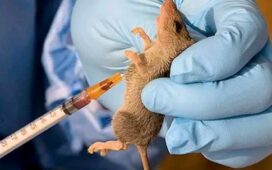
Lassa fever, a viral haemorrhagic illness caused by the Lassa virus, is primarily transmitted through contact with urine or droppings of infected multimammate rats, the natural reservoir of the virus. The disease can also spread from person to person, especially in healthcare settings where infection control protocols are inadequate.
Common symptoms include persistent high fever, severe headache, muscle pain, sore throat, vomiting, diarrhoea, and, in severe cases, unexplained bleeding. The commissioner urged residents to remain calm yet vigilant, maintain good environmental hygiene, store food properly to prevent rodent infestation, avoid self-medication, and seek immediate medical attention at the nearest health facility if symptoms appear.
Public health officials continue to monitor the situation closely, with ongoing efforts focused on containing the outbreak and preventing further spread in the state.