Join our WhatsApp channel HERE for the latest Benue news and updates!
In a voice trembling with grief and fury, Honourable Blessing Onuh stood before the House of Representatives on Thursday and declared that the country she serves is “under siege.” The lawmaker, representing Otukpo/Ohimini federal constituency in Benue State, told her stunned colleagues that the once-peaceful villages she grew up in have become killing fields, with armed invaders no longer content with banditry but now waging what she called “terrorism in its highest form” and “genocide.”

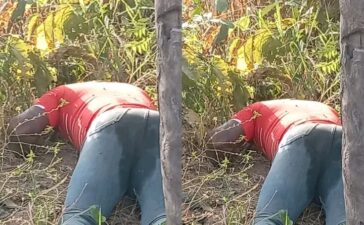
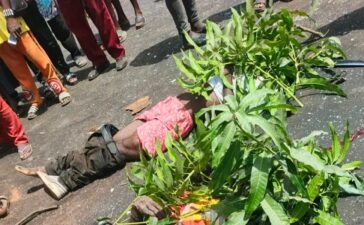
Speaking on November 28, 2025, Onuh painted a horrifying picture of daily life in her constituency. Armed men storm entire communities at will, burning homes, razing farmlands, executing residents, and driving survivors into the bush. The latest massacre struck Anwule in Ohimini Local Government Area, where gunmen overran several villages, set houses ablaze, and sent hundreds fleeing for their lives. Survivors say the smell of charred homes and the screams of neighbours still haunt them.
This is not a new story, but its escalation is terrifying. Months earlier, Otobi and Akpa communities in Otukpo were similarly devastated. Farms lie abandoned, schoolchildren study under trees when they can study at all, and families sleep in forests or overcrowded camps, praying the attackers do not return before dawn.
Onuh’s most chilling accusation was directed at the federal government: stop downplaying the crisis. What began years ago as “farmer-herder clashes” has mutated into sustained, coordinated assaults that target entire ethnic communities, destroy their food sources, and displace tens of thousands. To the people living it, the intent is clear—drive them out or wipe them out.
The lawmaker demanded urgent, decisive action—deployment of real force, not speeches; emergency relief that actually reaches the displaced; and a national acknowledgment that parts of Nigeria are sliding into a slow-motion genocide while the rest of the country watches in silence.
As of this evening, no official response has come from the presidency or the military high command. In Ohimini and Otukpo, mothers still clutch their children in the dark, listening for footsteps and gunshots that have become the soundtrack of their nights.
Nigeria is indeed under siege—not from a foreign army, but from an enemy within that grows bolder by the day. If the cries of Blessing Onuh and the ashes of Anwule, Otobi and Akpa do not move Abuja to act, then tomorrow there will be new names added to the list of communities that no longer exist.