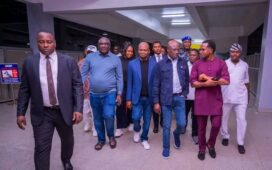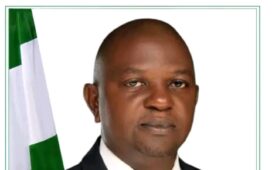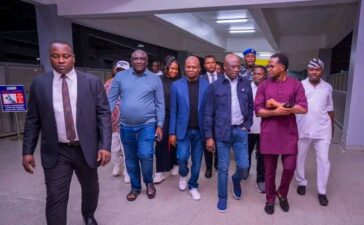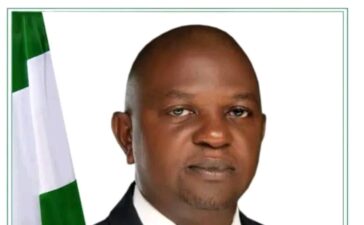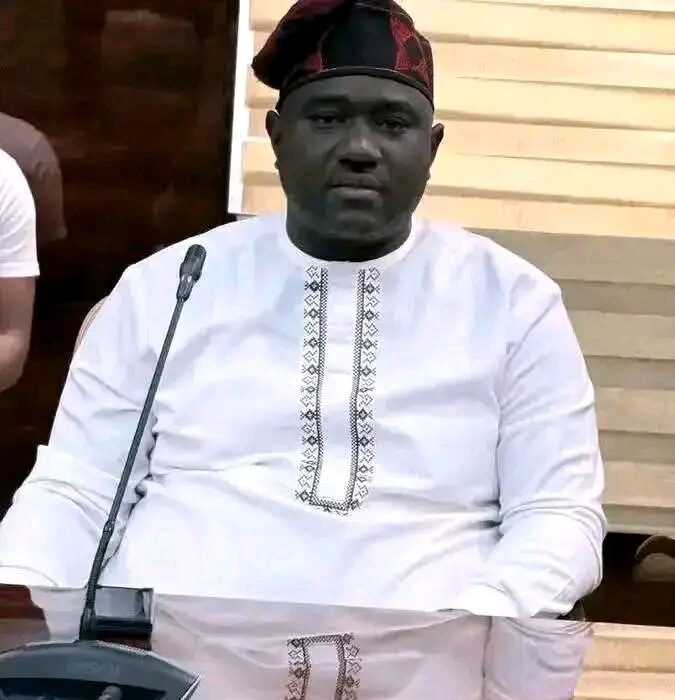
The Executive Chairman of Agatu Local Government Council, Hon. James Melvin Ejeh, has strongly rejected allegations that Benue State Governor Rev. Fr. Hyacinth Alia has abandoned the local government, describing the claims as false, politically motivated and inconsistent with developments on the ground.
Ejeh spoke in response to criticisms from the Agatu West Peace and Unity Forum. He insisted that virtually every major achievement recorded in Agatu under his leadership has been made possible by the active moral, spiritual, financial and logistical support of the governor. “There is nothing I would have done in Agatu Local Government without the active moral, spiritual, financial and logistical support of the Governor of Benue State, Rev. Fr. Hyacinth Alia. Everything Agatu has become today is because of his direct efforts,” he declared.
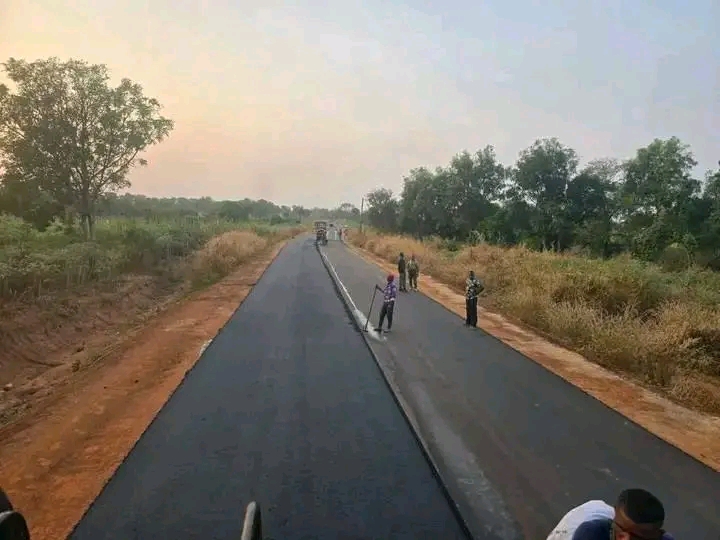
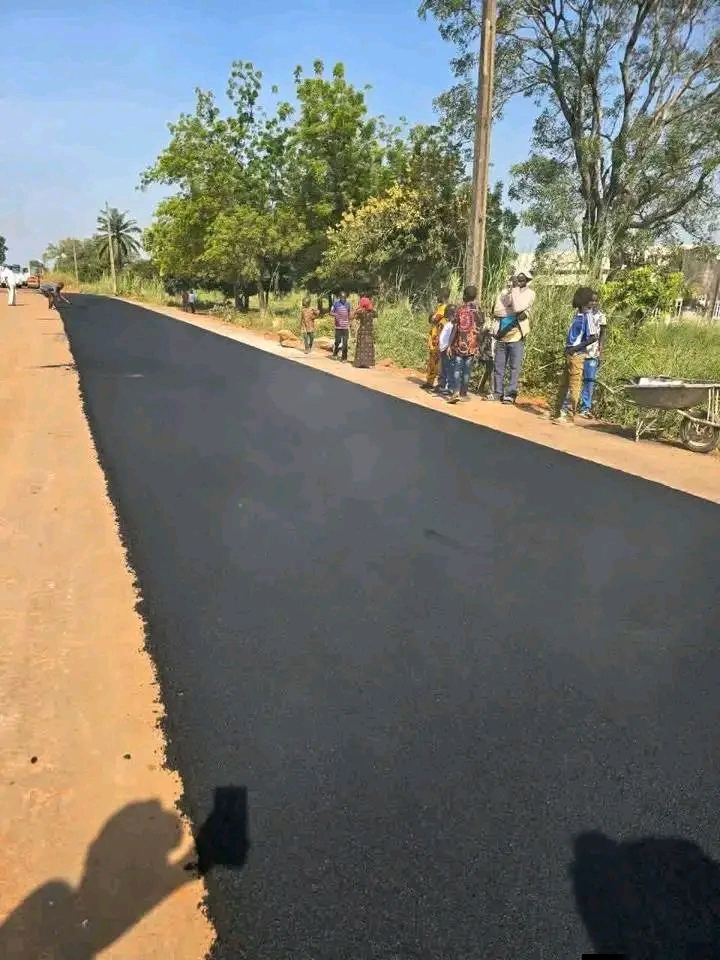
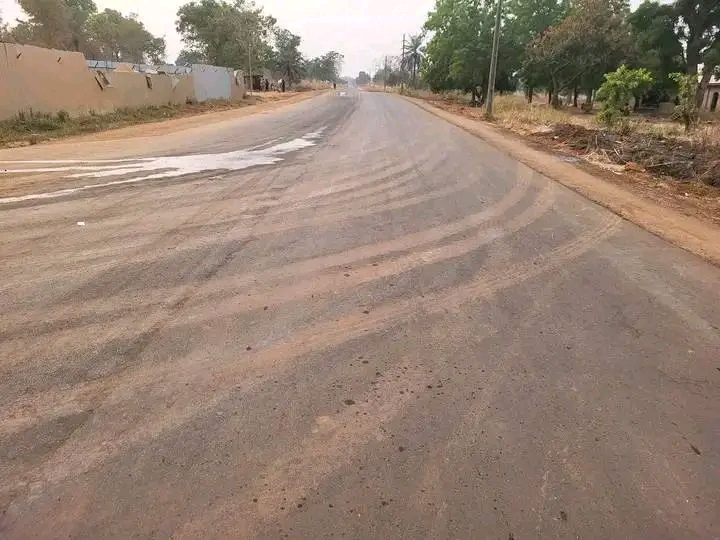
At the centre of his defence is the ongoing 43.5-kilometre Obagaji-Okokolo-Agagbe road project, being constructed at a cost of about ₦29 billion. Ejeh described it as one of the most significant infrastructure interventions in Agatu since the return of democratic rule, noting that successive administrations had promised the road without meaningful progress. A large portion has already been completed, and the full project is expected to cut travel time between Makurdi and Agatu by about two hours while improving security access in previously volatile areas such as Egba and Ologba, where response times have been reduced from hours to minutes.

He also highlighted the award of a five-kilometre township road project estimated at ₦4.9 billion, with designs and preparatory work already completed. On security, Ejeh said the Alia administration had supplied more than 45 motorcycles to conventional security personnel and community-based vigilante groups to strengthen rapid response. He further disclosed that Governor Alia personally nominated Agatu as a location for a proposed Nigerian Army mega battalion, a development he described as potentially transformative for the area’s long-term security architecture.
Ejeh pointed to political representation, noting the appointment of Agatu indigene Dr Margaret Adekemi Ijaguwa as Commissioner for Education, which has facilitated plans for a government technical school in Enungba where land has already been acquired. Other Agatu sons, including Idris Ojimbili as Senior Special Assistant on Community Mobilisation and Philip Otukpa, are also serving in strategic government positions and on boards. Plans for a Benue State University teaching hospital in Agatu have reached an advanced stage, with technical groundwork and site assessment completed and construction expected to commence before the end of the year.
On humanitarian support, the chairman said the State Emergency Management Agency had continued monthly food assistance to internally displaced persons in Agatu through July. He added that the governor facilitated Agatu’s inclusion in a World Bank-supported SOLID project expected to deploy more than $5 million to support displaced persons and conflict-affected communities.
While acknowledging that the return of displaced residents remains a major challenge due to destroyed homes, damaged infrastructure and lack of basic facilities rather than ongoing attacks, Ejeh maintained that communities previously under siege are now accessible and that the council, working with the state government and development partners, is rehabilitating schools, health facilities and other public infrastructure to support sustainable resettlement.
He challenged critics to produce evidence capable of outweighing the ongoing projects and interventions, insisting that the appropriate response to Agatu’s challenges is sustained collaboration rather than the creation of a false narrative of abandonment.