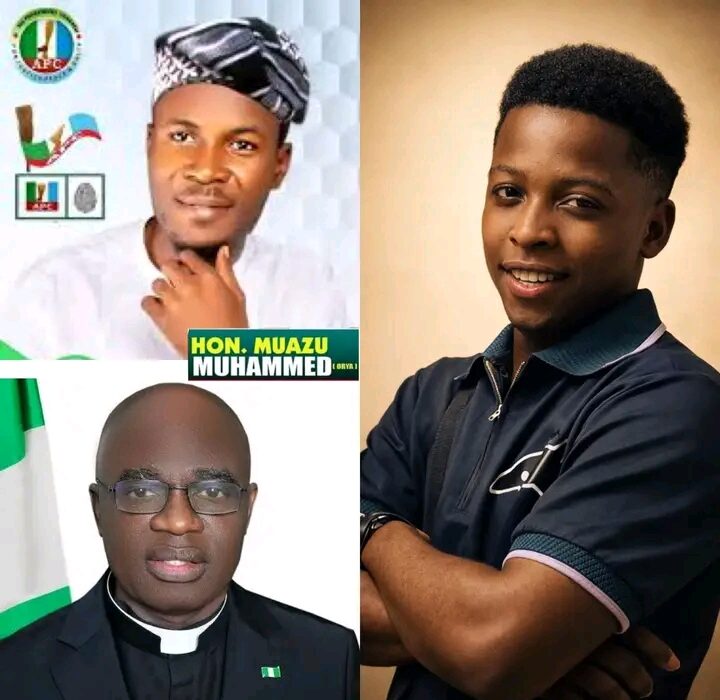
Social media commentator Yung Bwoih Music has expressed strong reservations about the emergence of Muazu Mohammed, described as a Fulani man, as the councillor representing Gboko Central.

In a detailed post, Yung Bwoih recalled raising concerns when Mohammed contested the position, noting that many dismissed his worries by calling it a minor “township councillorship” that had existed for decades. He questioned the absence of Tiv people serving as councillors in predominantly northern states like Zamfara, Kano, Kaduna, Kebbi, and Borno, and similarly for Igede or Idoma people.
The commentator argued that Gboko, as the cultural and political heartland of the Tiv people, should prioritize indigenous representation, especially given historical tensions between Tiv and Fulani communities. He expressed fears that such appointments could be part of a gradual strategy to establish an Emirate in Benue State, potentially shifting traditional power dynamics and affecting all ethnic groups in the state.
Drawing parallels with Nasarawa State, he warned that installing an Emir could lead to significant traditional influence for Fulani people across Nigeria, with the palace likely sited in Makurdi. He appealed directly to Governor Rev. Fr. Dr. Hyacinth Alia and other political leaders to carefully review such appointments and consider the long-term implications for Benue’s indigenous institutions.
The message, signed by James Auve, a PR Practitioner, has sparked discussions on ethnicity, representation, and traditional rulership in the state.