The Chief Medical Director of Benue State University Teaching Hospital (BSUTH), Dr. Terungwa Stephen Hwande, has raised serious concern over a sharp increase in Lassa fever cases at the hospital, with 28 suspected admissions recorded between January and February 2026, including 17 confirmed cases and three deaths.

Dr. Hwande sounded the alarm during an on-the-spot assessment visit to the hospital’s isolation centre on Friday, February 27, 2026, by the Benue State Commissioner for Health and Human Services, Dr. Paul Ogwuche. The Commissioner confirmed the outbreak and assured that the state government is intensifying response measures, including the deployment of 23 surveillance officers across all 23 local government areas to enhance monitoring, contact tracing, and community engagement aimed at curbing further spread.

The State Epidemiologist, Dr. Msuega Asema, provided additional context, disclosing that as of February 26, 2026, Benue had recorded 45 confirmed Lassa fever cases out of 250 suspected cases statewide, with 10 cumulative deaths. He noted infections among healthcare workers and urged calm while containment efforts continue.

Dr. Hwande commended the Commissioner for the visit and praised Nurse Genesis Kwaghghande and his team for their dedication. He revealed that additional personnel have been deployed to the isolation centre and called for urgent upgrades, including patient monitors, improved waste management systems, and other essential equipment. He also announced plans to establish a functional emergency laboratory within the centre for on-site testing.

The Chairman of the Medical Advisory Committee, Prof. Michael Agbir, described the current surge as unusual compared to previous years, highlighting the increased pressure on the facility.
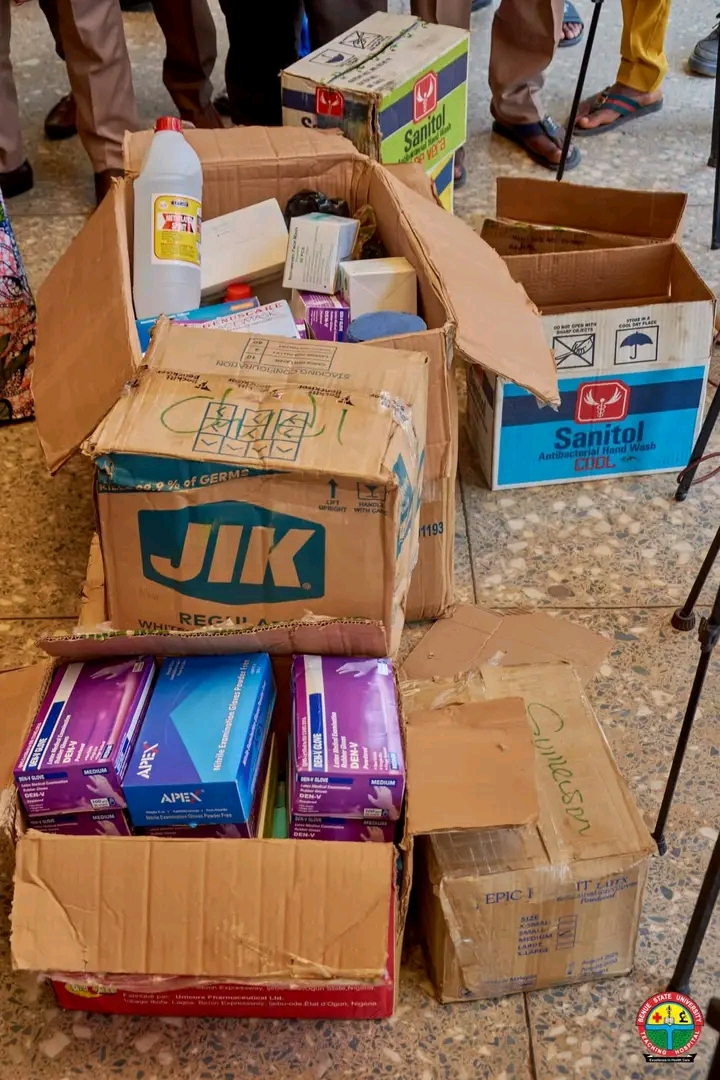
Dr. Ogwuche urged residents to promptly report symptoms such as fever, headache, sore throat, muscle pain, chest pain, nausea, vomiting, diarrhoea, cough, and abdominal pain at designated health facilities for early diagnosis and treatment. He stressed that timely intervention remains critical in reducing fatalities associated with Lassa fever.
The development underscores the growing public health challenge posed by Lassa fever in Benue, with authorities emphasising proactive surveillance, community awareness, and rapid response to prevent wider transmission.