Join our WhatsApp channel HERE for the latest Benue news and updates!
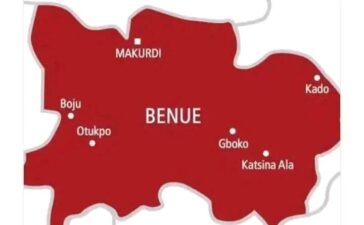
In a significant development reshaping the political landscape of Benue State, the All Progressives Congress (APC) has formally welcomed former Governor and Senator Gabriel Suswam, along with his supporters, into its fold. The announcement came through an official welcome message from the APC Benue State Chapter, shared on social media platforms, highlighting the move as a strategic alignment aimed at bolstering unity, development, and responsible governance in the state.

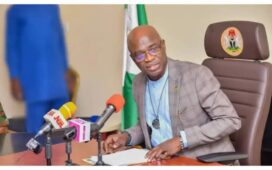
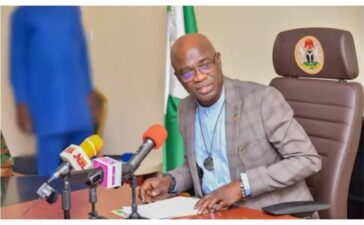
The statement, issued by Chief Dr. Benjamin Omale, Chairman of the Caretaker Committee for APC in Benue State, described Suswam’s defection as a complementary boost to the transformative agenda being pursued by the current Executive Governor, Rev. Fr. Dr. Hyacinth Iormem Alia. It further emphasized reinforcement of support for President Bola Ahmed Tinubu’s Renewed Hope Agenda at the national level.
According to the APC’s message, Suswam’s entry into the party strengthens its commitment to fostering peace, progress, and inclusive governance in Benue. The party assured all new members, including Suswam and other recent defectors, of full integration, fairness, and mutual respect. It also urged existing party faithful to embrace the newcomers in a spirit of brotherhood as they collectively work toward advancing the state’s continued development.
This defection follows Suswam’s immediate resignation from the Peoples Democratic Party (PDP), where he had been a prominent figure for years, having served as governor from 2007 to 2015 and later as a senator. Reports indicate that he cited prolonged internal crises and a lack of cohesion within the PDP as key reasons for his exit, which took effect swiftly before his registration as an APC member at his Mbagber Council Ward in Logo Local Government Area.
The move has been described across various sources as a rapid and decisive shift, occurring within hours of his PDP resignation. Suswam’s supporters are expected to follow suit in registering with the APC, potentially consolidating greater influence for the ruling party in Benue ahead of future electoral cycles.
The APC in Benue expressed confidence that such alignments reflect growing trust in the party’s leadership and vision. The statement concluded on an optimistic note: “Together, we are stronger. Together, we move Benue forward.”
This development underscores the fluid nature of Nigerian politics, where strategic defections continue to play a pivotal role in strengthening party positions at both state and national levels. As Benue’s political actors adjust to this change, the full impact on the state’s governance and opposition dynamics remains a focal point of interest.