Join our WhatsApp channel HERE for the latest Benue news and updates!
Farmers and traders in Vandeikya Local Government Area of Benue State have expressed deep frustration over what they describe as exploitative pricing and hardship in the agricultural value chain, with one social media post labeling the situation as “modern slavery.”

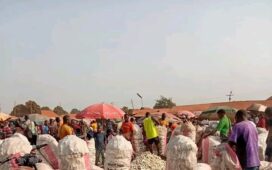
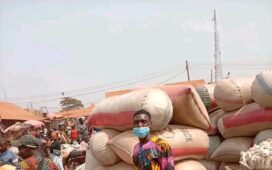
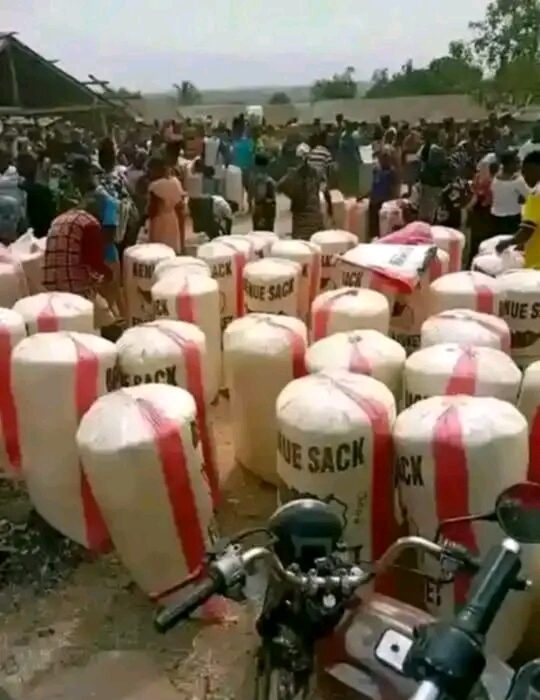
In a widely shared update from local commentator D’nkaded Elder Sughnen Yaayaa on February 6, 2026, images from Ihugh Market showed large quantities of garri (processed cassava product, locally called Tyo-Garri) stacked in half bags and being sold for a maximum of ₦7,000 to ₦10,000 per unit. The post highlighted piles of neatly tied sacks filling the market space amid crowds of sellers and buyers, underscoring the volume of produce struggling to fetch better returns.
The commentator questioned how farmers can improve their standard of living when, despite the immense labor, risk, and investment involved in cassava farming and processing, the final product commands such low prices. “This is what buyers tag as half bag of garri (Tyo-Garri), going at 7-10k maximum,” the post read. “How can farmer’s standard of living improve after all the sufferingness?”
Cassava remains one of Benue State’s major cash crops, with the state consistently ranking among Nigeria’s top producers. However, farmers have long complained of exploitation by middlemen, inadequate storage facilities, poor access to credit, high transportation costs, and fluctuating market prices that fail to reflect production realities or inflation.
The low off-take prices come at a time when input costs—fertilizer, herbicides, labor, and fuel—have risen sharply, further squeezing already thin profit margins. Many smallholder farmers in the Sankera axis, including Vandeikya, rely heavily on garri production as a primary source of income, making depressed prices a direct threat to household food security and rural livelihoods.
The outcry at Ihugh Market has reignited broader conversations about the need for stronger farmer cooperatives, better price regulation mechanisms, improved access to processing equipment, and government intervention to stabilize commodity markets and protect producers from exploitative buying practices.
As the post gained traction online, commentators echoed the sentiment that without meaningful reforms in the agricultural marketing system, Benue’s hardworking farmers will continue to bear the brunt of systemic inequities while consumers in urban centers pay significantly higher prices for the same staple food. The situation underscores the persistent challenges facing Nigeria’s agrarian communities even in states with high agricultural potential.