The Benue State Government has raised the alarm following the detection of seven new suspected cases of Lassa fever, as disclosed by the State Epidemiologist, Dr. Asema Msuega, on Sunday, January 18, 2026.
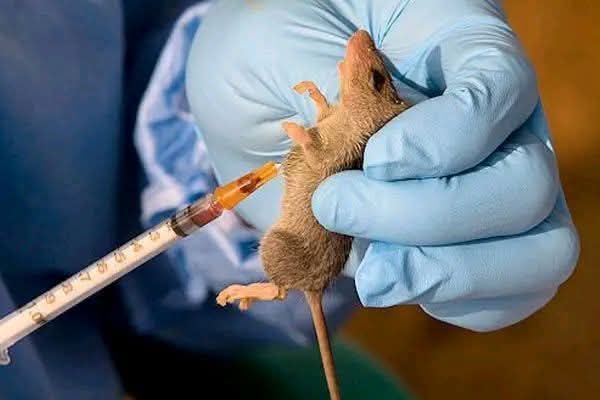
According to Dr. Msuega, samples from the affected individuals have been promptly collected and dispatched to designated laboratories for confirmatory testing. The announcement comes amid heightened surveillance efforts in the state, where Lassa fever—a viral haemorrhagic illness transmitted primarily through contact with the urine or faeces of infected multimammate rats—remains a recurring public health concern, particularly during the dry season.
In response to the suspected cases, the Benue State Ministry of Health and Human Services has activated immediate public health measures. These include intensified community sensitization campaigns focusing on rodent control, environmental sanitation, and regular clean-up exercises. Special emphasis has been placed on identified Lassa fever hotspots across the state to curb potential spread.
Dr. Msuega assured residents that healthcare facilities statewide are adequately equipped to manage suspected cases, with health workers having undergone necessary training to deliver appropriate medical care. He further highlighted that rapid response teams remain on standby, ready to handle any confirmed infections, isolate patients, trace contacts, and implement measures to prevent community transmission.
The epidemiologist called on the public to adopt simple but effective preventive practices, including ensuring that all food items are properly covered and protected from rodents—the primary carriers of the Lassa fever virus. He stressed that basic hygiene measures, such as maintaining clean surroundings and safe food storage, can significantly reduce the risk of infection.
Residents exhibiting symptoms such as fever, general weakness, headache, sore throat, or unexplained bleeding were urged to seek immediate medical attention at the nearest health facility. Dr. Msuega emphasized that early detection and prompt treatment remain critical to improving outcomes and controlling the disease.
The development has renewed concern among health authorities and communities in Benue, a state that has historically reported Lassa fever cases during peak periods. The state government’s proactive stance, including ongoing awareness drives and readiness of response infrastructure, aims to contain any potential outbreak and protect public health.
As laboratory results are awaited, officials continue to monitor the situation closely while encouraging widespread adherence to preventive guidelines to safeguard lives and livelihoods across Benue State.