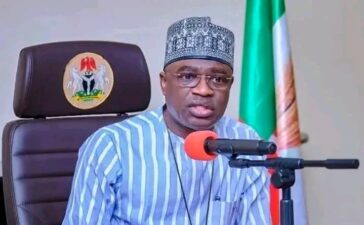
A native of Yelwata in Benue State, Franc Utoo, has apologised to Peter Obi and Nigerians over what he described as “undiluted brigandage” that disrupted the NDC presidential candidate’s planned visit to the community. Utoo, a lawyer, said the people of Yelwata have continued to suffer from what he called the “callousness” of the Benue State Government since the killings of June 13, 2025, in which more than 270 people were reportedly killed.
Obi had travelled to Benue on Tuesday, September 8, 2026, for what his party described as a humanitarian visit to sympathise with families affected by the massacre, meet representatives of the community, visit the memorial site, pay respects to the victims and lay a wreath in their honour. He insisted the trip was not a campaign rally, stating: “I came to Benue not for politics but to mourn with our people, to listen to families who have lost loved ones, and to offer our solidarity during a moment of unimaginable pain.”
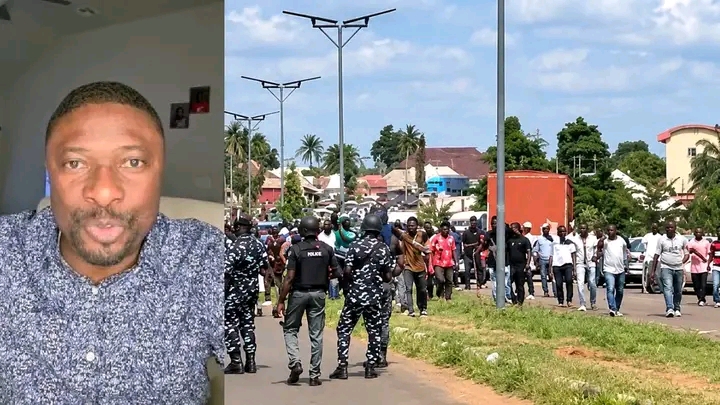
His convoy was stopped along the Gboko Road axis of Makurdi by a large group of youths who barricaded the road, chanted “Peter Obi, go back,” and allegedly threw stones, with some carrying sticks. Obi eventually turned back after he was unable to proceed to Yelwata, saying he refused to force his way through the crowd because doing so could have created further tension and endangered lives. He described the obstruction as “worrisome” and appealed to the Inspector-General of Police and other security agencies to intervene.
The Benue State Government rejected allegations that Governor Hyacinth Alia or his officials sponsored the blockade. Through the Governor’s Chief Press Secretary, Tersoo Kula, it said it was not aware that Obi was coming and that a high-profile political figure would ordinarily be expected to inform the relevant authorities so that appropriate security arrangements could be made. The government insisted that Alia’s administration does not “engage, patronize, or deploy thugs as instruments of governance or security” and relies on recognised security agencies.
That position has been complicated by a letter dated September 7, 2026, from the NDC’s Benue State chapter. Signed by State Chairman Ohini Ojiegbe, the letter notified the Commissioner of Police, Benue State Command, of Obi’s planned arrival in Makurdi at about 8 a.m. the following day before proceeding to Yelwata, and requested security cover. The document bears a “RECEIVED” stamp from the Commissioner of Police dated September 7.
Benue Commissioner of Police Cletus Nwadiogbu confirmed that the command knew of the visit and had deployed personnel, noting that police were informed the trip was not for political campaigning but to visit communities affected by the 2025 attack. The Assistant Commissioner of Police in charge of Operations personally led the security team. The difference between the government’s claim of ignorance and the police confirmation has intensified questions about how much officials knew before Obi arrived.
Amnesty International condemned the incident as an “unprecedented and dangerous act of political hooliganism” capable of undermining the democratic process. The rights group argued that Nigerians should not need permission to visit parts of their own country, warned against the use of armed vigilante groups or political thugs to intimidate opposition politicians, and called for an investigation to hold those responsible accountable. The NDC has also demanded an immediate investigation by the Benue State Government and security agencies, describing the obstruction as disturbing and condemnable while insisting Obi’s mission was humanitarian.
Minister of Aviation and Aerospace Development Festus Keyamo condemned the blockade but criticised what he described as partisan media coverage of political violence, observing that an angry crowd confronting an APC candidate is sometimes portrayed as “rejection” by Nigerians while a similar incident involving an opposition candidate is labelled an attack by “sponsored thugs.” He said political anger should be expressed through the ballot box rather than violence.
Tuesday’s incident is not the first disagreement between Obi and the Alia administration. In April 2025, Obi cancelled a planned humanitarian visit after the state government warned against what it called an unscheduled visit, stating that individuals or groups intending to visit internally displaced persons’ camps required written approval from the Benue State Emergency Management Agency.
The latest confrontation has revived questions about the relationship between Obi and the Benue government and whether disagreement over protocols has evolved into a broader political confrontation. Coming barely weeks after the formal commencement of the 2027 campaign period and after presidential candidates and parties signed a National Peace Accord pledging to reject violence, hate speech, intimidation and conduct capable of undermining the electoral process, the disruption has raised broader concerns about political tolerance ahead of the next general elections.
Civil society groups have pointed to recent threats, inflammatory rhetoric and attacks on opposition activities as early warning signs of possible electoral violence. For Benue, a state already deeply scarred by years of violent attacks and displacement, the political stakes are particularly high. The central questions remain: Who mobilised the youths? Why were they allowed to barricade a major road? Were security agencies sufficiently prepared? Did the state government receive formal notification of Obi’s visit? And why did the police know of the movement while the government says it did not?
The Benue Police Command has promised to investigate. The findings could determine whether the blockade was an isolated act of public anger, an internal political dispute or something more organised — and could shape the climate of political freedom and tolerance as Nigeria moves toward 2027.