Join our WhatsApp channel HERE for the latest Benue news and updates!
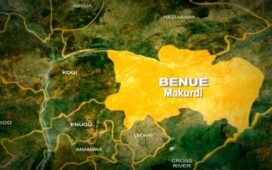
Inside the overcrowded IDP camps scattered across Benue State, a slow-motion tragedy is unfolding, and almost nobody in power seems to care.
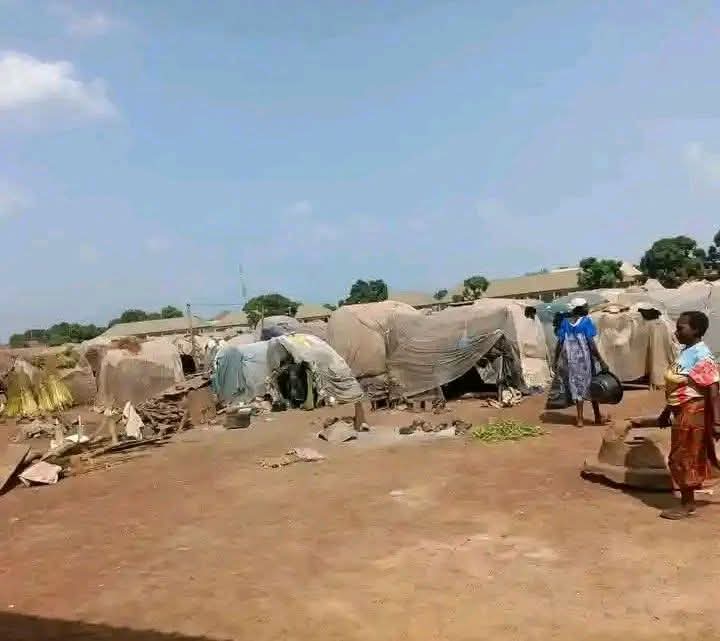
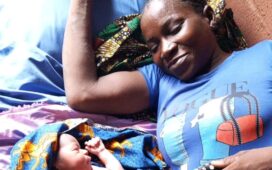
Tens of thousands of men, women and children, many displaced for over ten years by herdsmen attacks, now live in conditions that camp dwellers themselves describe as “worse than animal pens”. Shelters leak when it rains and bake when the harmattan bites. Clean water is a luxury. Toilets are virtually nonexistent. Children sleep on bare floors where politicians once posed for photographs with bags of rice that never reached the intended hands.
“Even our leaders’ dogs sleep on better mats than our children,” one embittered resident told reporters.
Women trek kilometres daily with jerrycans on their heads, while preventable diseases, malaria, cholera, typhoid, stalk the camps like silent killers. When relief materials finally arrive after months of waiting, they are often mouldy, half-empty, or diverted before they reach the people’s mouths.
The pain is not new, but the silence from those elected to serve is becoming deafening.
From Guma to Agatu, Kwande to Oju, the same lament echoes: promises made during election campaigns evaporate the moment the votes are counted. Photo-op visits end with speeches and handshakes, but the leaking roofs remain unfixed, the boreholes remain dry, and the children remain hungry.
Now frustration is turning into fury.
Across Tiv land, voices are rising, particularly among the youth, warning that the continued neglect of displaced communities is strengthening the very insecurity everyone claims to be fighting. A people abandoned, they argue, eventually lose faith in the system that abandoned them.
Today, a passionate appeal has gone out to His Royal Majesty, the Tor Tiv, Prof. James Ortese Iorzua Ayatse, begging the foremost traditional ruler to use his moral authority to rally the political class before the situation spirals beyond repair.
Community leaders are blunt: if nothing meaningful is done soon, the social fabric of Benue may tear in ways that no amount of security votes can mend.
The question now hanging heavily over the state is one nobody wants to answer out loud:
Will Benue’s leaders wait until the camps produce a generation raised only on bitterness and despair before they act, or will they finally remember that these are not just statistics, but citizens whose only crime was being born in a land their ancestors farmed for centuries?
The IDPs are tired of speeches. They want water, shelter, schools, and a future for their children.
And they want it before the next Christmas comes with the same old story.