Join our WhatsApp channel HERE for the latest Benue news and updates!
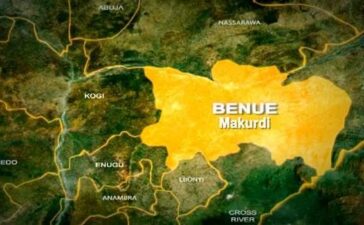
Tension is mounting in Turan, a community in Kwande Local Government Area, as over 200 youths have declared an immediate halt to all mining activities, citing ongoing killings, displacement, and alleged exploitation of their ancestral land. The protest underscores growing frustration among residents who say they have been forced into internal displacement while mineral resources from their land continue to be extracted.
Residents of Turan in Benue State have issued a strong warning to authorities and mining operators, insisting that no mining activity should continue until displaced community members are safely returned to their ancestral homes. The declaration follows years of violent attacks reportedly linked to armed herders and bandits, which have left several communities devastated, homes destroyed, and many residents displaced within their own land.
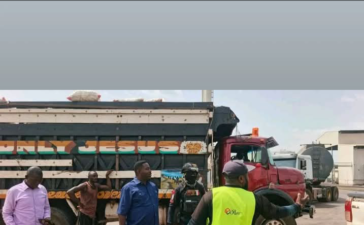
Community members allege that while they live in hardship, minerals from Turan are being actively extracted without interruption, raising serious concerns about fairness, legality, and human rights. At the heart of the protest is the claim that the indigenous people of Turan receive no direct benefit from the mining activities on their land. Locals further allege that significant sums are generated per truckload of extracted minerals, with revenues reportedly going to government structures, while host communities receive nothing.
The absence of a Community Development Agreement (CDA), a key legal requirement under the Nigerian Minerals and Mining Act, has also been highlighted as a major concern by stakeholders. Adding to the tension is the unresolved controversy surrounding the death of former TUDA President, Festus Terkura Iorkyaa, who was reportedly advocating for regulatory compliance in the mining sector before his death.
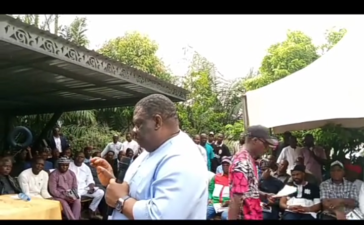
On April 9, 2026, Turan youths staged a coordinated protest, drawing a clear line: “No community, no mining.” Their demands include the immediate suspension of all mining operations, withdrawal of mining companies from the area, and a comprehensive legal review of all mining agreements to ensure compliance with existing laws. They also called for urgent security intervention, insisting that the safety and return of displaced persons must take precedence over any economic activity in the region.
Speaking on behalf of affected residents, a community representative emphasized that continued mining in the face of displacement amounts to exploitation. “If our people cannot return home, then nobody has the right to mine our land.”
The situation in Turan reflects a broader pattern of conflict across parts of North-Central Nigeria, where insecurity, land ownership disputes, and natural resource control continue to fuel tension between local communities, herders, and external investors. Observers warn that without urgent intervention combining security, justice, and inclusive economic policies the crisis could escalate further, potentially disrupting not just local livelihoods but also the state’s solid minerals sector.