Join our WhatsApp channel HERE for the latest Benue news and updates!
Tensions have flared in Benue State following accusations from Senate Minority Leader and Benue South Senatorial District representative, Comrade Abba Moro, PhD, that the state government deliberately sidelined Zone C communities during a recent fact-finding mission by a United States Congressional delegation. In a statement released on December 13, 2025, Moro’s office highlighted growing concerns from constituents about the delegation’s failure to visit or include representatives from Zone C, an area comprising the Idoma-dominated Benue South and widely regarded as one of the hardest hit by ongoing herder-farmer conflicts and terrorist attacks.

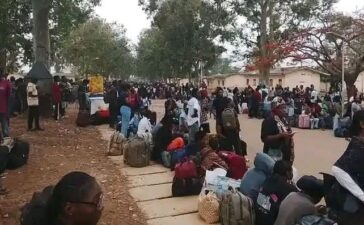
The US delegation, led by Congressman Riley Moore, visited Benue earlier in December as part of a broader mission investigating reports of insecurity and religious persecution in Nigeria. Reports confirm the team engaged with internally displaced persons (IDPs), religious leaders, and traditional rulers primarily in Tiv-dominated areas of Zones A and B, including meetings with Catholic bishops and the Tor Tiv. However, no stops were made in Zone C, prompting widespread disappointment and criticism from residents and youth groups in Idomaland, who argue that their communities also endure frequent attacks yet lack official IDP camps and adequate attention.
Moro’s office has been inundated with calls expressing outrage over what constituents perceive as a pattern of marginalization, especially given Zone C’s vulnerability to violence. The senator’s statement underscores the need for inclusive representation in such high-profile engagements, noting that excluding one of the state’s three senatorial zones undermines efforts to present a comprehensive picture of the security challenges facing Benue.
Benue State is divided into three senatorial zones: Zone A (Jemgbagh), Zone B (Sankera), both predominantly Tiv, and Zone C (Benue South), home to the Idoma and Igede ethnic groups. While Zones A and B have historically dominated political leadership, including the governorship, Zone C has long advocated for greater equity and inclusion.
As of now, neither the Benue State government nor the US delegation has publicly responded to the allegations. This development adds to existing political frictions in the state, where debates over resource allocation, security responses, and zonal representation continue to shape public discourse. Residents of Zone C are calling for transparency and fairness, emphasizing that a complete assessment of Benue’s crises must encompass all affected areas to foster effective solutions and lasting peace.