Join our WhatsApp channel HERE for the latest Benue news and updates!
Benue State is currently experiencing an upsurge in Lassa fever cases, with two fatalities recorded and five confirmed infections out of nine suspected cases, the Commissioner for Health and Human Services, Dr. Paul Ogwuche, has disclosed.

Speaking to journalists in Makurdi on Thursday, January 22, 2026, Dr. Ogwuche revealed that the state’s disease surveillance dashboard now shows nine suspected cases, five of which have tested positive for the viral haemorrhagic disease. Among the confirmed cases are two health workers, highlighting the occupational risk faced by frontline medical personnel.
The commissioner explained that the affected areas are primarily Makurdi and Buruku Local Government Areas, with two of the cases originating from Buruku but diagnosed in Makurdi. He noted that the two fatalities occurred among the confirmed positive cases, underscoring the severity of the current wave.
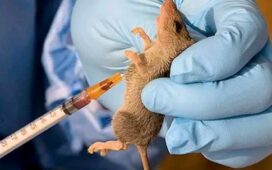
The outbreak has seen a noticeable increase over the past two weeks, particularly during the dry season when environmental conditions favour the spread of the multimammate rat — the primary vector for the Lassa virus. Dr. Ogwuche pointed out that burning of grasses during this period drives rodents into homes in search of shelter and food, increasing the risk of contamination through contact with rodent urine, faeces, or saliva, especially on uncovered food items.
In response to the rising cases, the Ministry of Health has activated its rapid response team and the Public Health Emergency Operations Centre. Health campaigns have been intensified to educate residents on preventive measures, including maintaining strict personal and environmental hygiene, proper food storage, and avoiding contact with rodents.
The commissioner advised the public to report any prolonged fever, body weakness, fatigue, or unusual bleeding from the mouth or other body openings immediately for early diagnosis and treatment. He stressed that prompt medical intervention significantly improves outcomes.
To contain the outbreak, the ministry is strengthening laboratory capacity, isolating suspected and confirmed cases, and has convened a stakeholders’ meeting involving the Federal Medical Centre, the Benue State University Teaching Hospital (which hosts the state isolation centre), the World Health Organization, state epidemiologists, and donor partners.
“We are determined to ensure that this deadly disease is brought under control,” Dr. Ogwuche affirmed, calling on residents to remain vigilant, adhere to preventive guidelines, and seek early medical care to curb further transmission.
Lassa fever, an acute viral haemorrhagic illness, is endemic in parts of Nigeria, with higher transmission rates often recorded during the dry season. Health authorities continue to urge community cooperation in rodent control and hygiene practices to break the chain of infection.