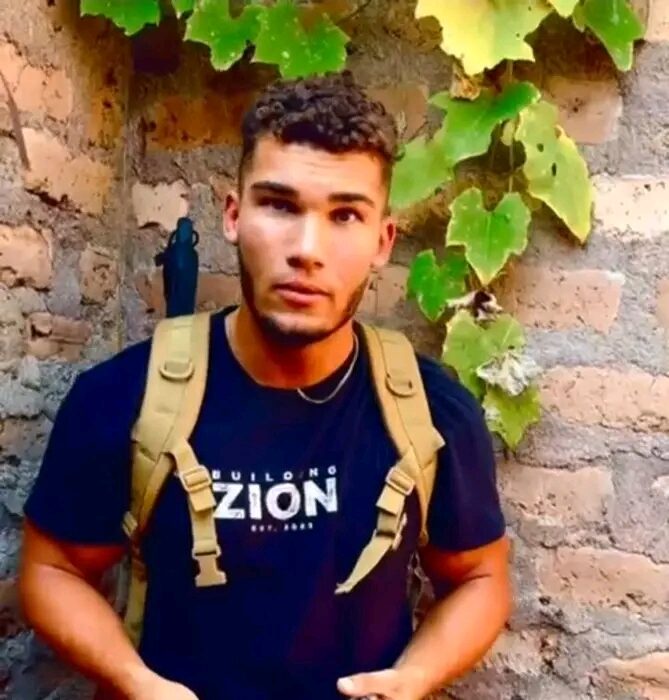
American missionary and humanitarian worker, Alex Barbir of the Building Zion initiative, has publicly accused the Benue State government of deliberately obstructing his organization’s offer to reconstruct the devastated Yelwata market at a cost of ₦60 million, only for state officials to later present a bill of ₦300 million for the same project.
Barbir, who has been actively involved in relief efforts in communities affected by violence in Benue, made the allegation in a widely circulated video statement. He claimed that his team submitted a detailed, cost-effective proposal to rebuild the Yelwata market—a key economic hub in the area that was reportedly destroyed during communal clashes—using high-quality materials and efficient construction methods.
According to Barbir, the state government rejected or blocked the ₦60 million proposal, which he described as capable of delivering durable and functional infrastructure at a significantly lower cost than conventional government contracting processes. He alleged that shortly afterward, officials returned with a drastically inflated quotation of ₦300 million for the identical reconstruction effort.
The missionary emphasized that his organization had recently demonstrated its capability and commitment in the same community. On January 31, Building Zion handed over 35 newly constructed homes to survivors of a massacre in Yelwata, providing safe shelter to displaced families at no direct cost to the state.
Barbir argued that the stark difference in proposed costs highlights issues of transparency, efficiency, and accountability in public project execution. He insisted that his team could deliver superior structures for a fraction of the amount quoted by government officials, raising questions about potential mismanagement or inflated contracts in the handling of reconstruction efforts in violence-affected areas.
The claims have sparked discussions on social media and among local observers, with some residents and commentators calling for an independent review of the Yelwata market reconstruction process to ensure value for money and genuine service to the affected community. Others have praised Barbir’s humanitarian track record while urging the state government to respond to the allegations and clarify its position on the project.
As of now, there has been no official statement from the Benue State government addressing the missionary’s accusations or providing details on the current status and funding of the Yelwata market rebuild. The controversy underscores ongoing concerns about the pace and integrity of recovery efforts in parts of Benue still grappling with the aftermath of insecurity and displacement.