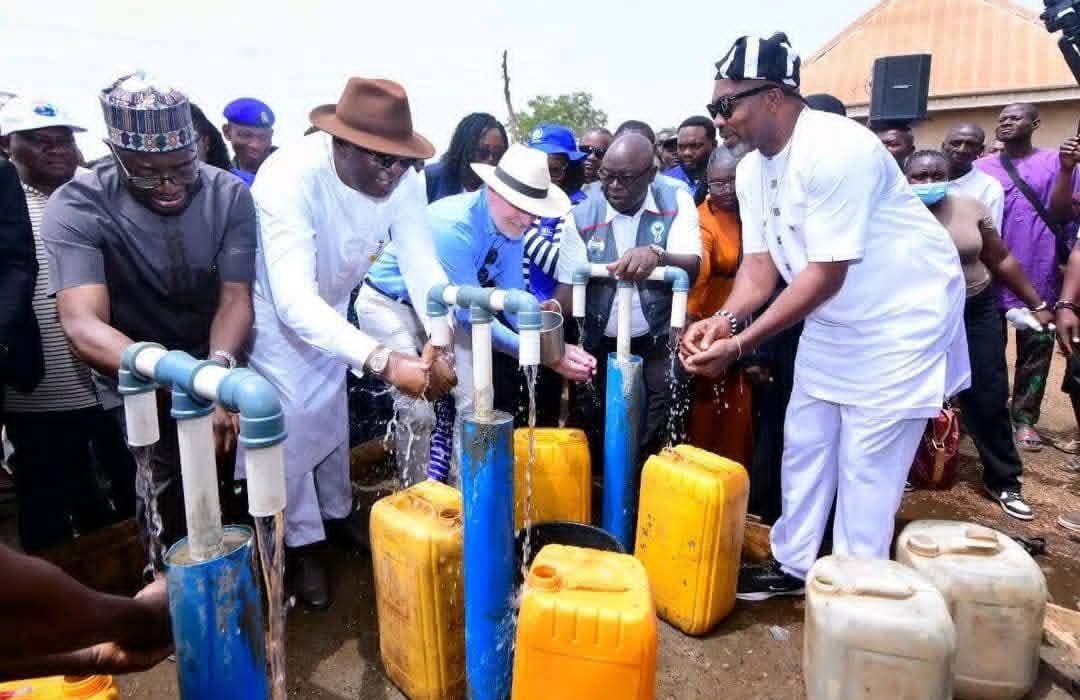
After more than four decades of severe water scarcity that forced generations of residents in Naka and surrounding communities of Gwer-West Local Government Area to trek long distances to seasonal streams, shallow wells, and contaminated ponds, Benue State Governor Rev. Fr. Dr. Hyacinth Iormem Alia has commissioned a modern 500,000-litre-per-day water treatment plant, marking what many locals describe as the most significant public utility intervention in the area in 40 years.
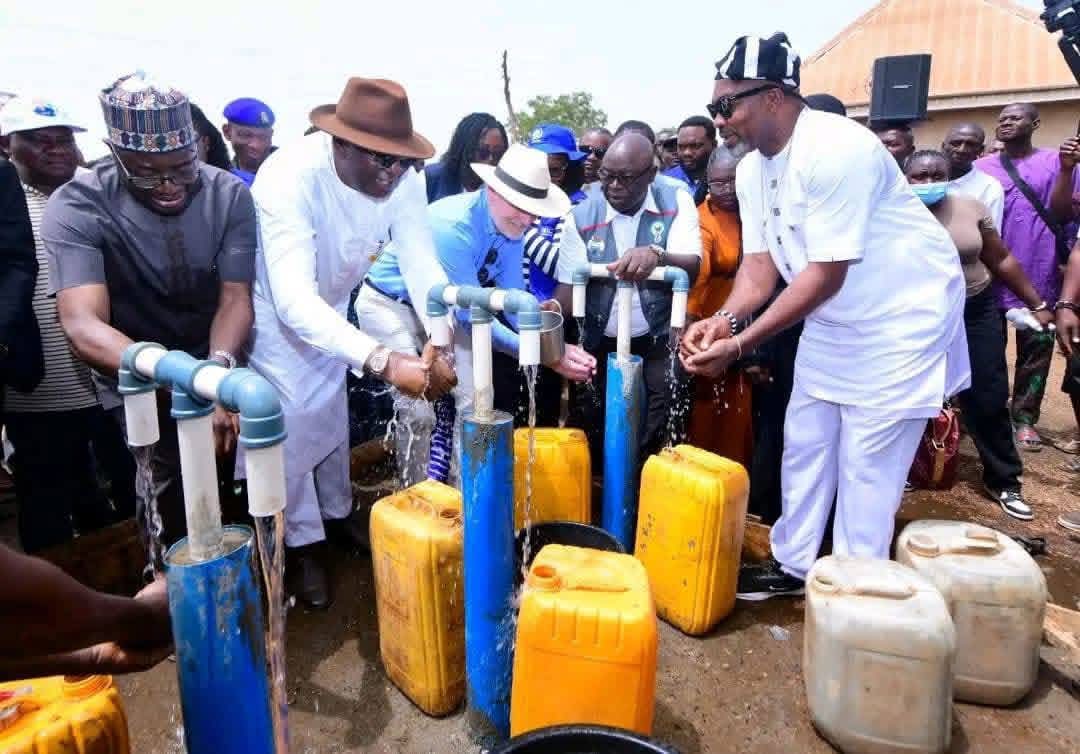
The facility, commissioned on February 19, 2026, in Naka—the local government headquarters—was delivered in partnership with the European Union (through its humanitarian arm ECHO), the International Organization for Migration (IOM), and other humanitarian agencies. It is designed to serve approximately 35,000 people daily, including internally displaced persons (IDPs) and host communities, providing treated and safe drinking water through structured distribution networks.
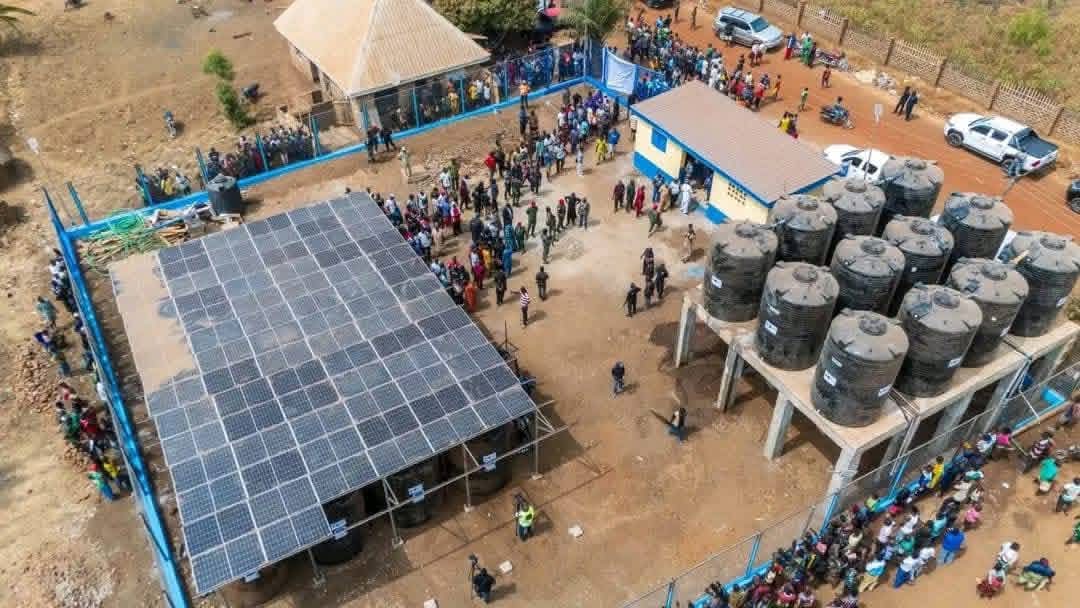
For years, waterborne diseases, reduced productivity, and the heavy burden on women and children defined daily life in Gwer-West. Outdated boreholes installed decades ago collapsed due to poor maintenance and erratic power supply, while surface water sources became overstretched as population growth outpaced infrastructure investment. Insecurity and communal violence across Benue—Nigeria’s “Food Basket”—further displaced families into camps and informal settlements, placing additional strain on already fragile water systems. State authorities note that Benue currently hosts about 460,000 IDPs, one of the highest figures in the country after Borno, with Gwer-West among the most affected areas.
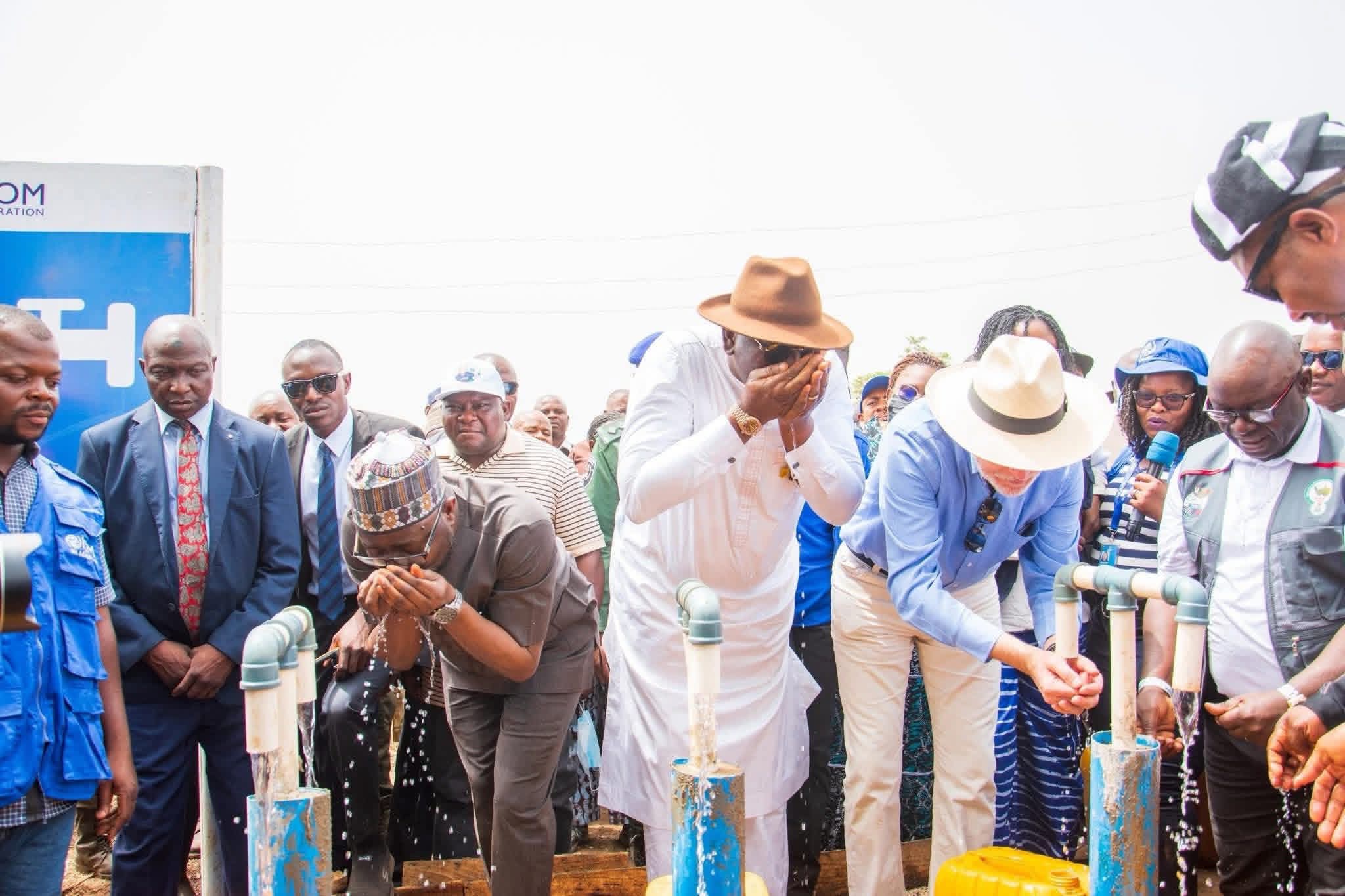
Governor Alia framed the project not as an isolated relief effort but as part of a strategic shift toward long-term resilience. The commissioning coincided with the launch of Benue State’s Contingency Plan for Emergency Response (2026–2028), a framework aimed at strengthening preparedness, coordination, and rapid response to disasters and displacement crises. New data management facilities at the State Emergency Management Agency and the Ministry of Humanitarian Affairs are expected to support real-time planning and accountability.

The governor, represented at related high-level events by federal and international partners, described access to clean water as a fundamental human right and positioned the Naka plant as fulfillment of a long-standing social obligation. He commended the courage and resilience of communities in Gwer-West, Katsina-Ala, and Agatu, noting that security is a collective responsibility built and owned by the people.
The European Union, IOM, and other partners provided technical and financial support, aligning humanitarian relief with sustainable development planning. Federal authorities, represented by the Minister of Humanitarian Affairs and Poverty Reduction, Dr. Bernard Doro, praised the state’s leadership-driven approach, emphasizing that effective humanitarian response requires strong government coordination rather than fragmented aid.
Traditional rulers, community leaders, and residents at the event expressed deep appreciation for the tangible infrastructure, which they say offers visible proof of delivery after years of unfulfilled promises. The plant’s commissioning is expected to dramatically reduce dependence on unsafe sources, curb waterborne illnesses, and improve health, productivity, and overall quality of life in one of Benue’s most historically challenged areas.