Join our WhatsApp channel HERE for the latest Benue news and updates!
The Benue Investment and Property Company Limited (BIPC) and the Benue State Board of Internal Revenue Service (BIRS) have established a joint technical team to address long-standing financial and liability issues between the two agencies, including outstanding Pay-As-You-Earn (PAYE) remittances and disputes over ownership and tax obligations related to the BIRS corporate headquarters building.

The decision followed a high-level meeting held at the BIPIC boardroom, attended by management staff from both organisations. Discussions focused on immediate PAYE remittance obligations, clarification of tax liabilities tied to the BIRS headquarters property, unsettled obligations with the Federal Mortgage Bank, and the creation of a structured framework to resolve all related disputes.
BIPC Group Managing Director, Dr. Raymond Asemakakaha-CFA, directed the immediate commencement of PAYE payments to BIRS. On the headquarters building matter, he expressed concern over the takeover of a BIPC-owned property by a past State Executive Council (EXCO) without the company’s consent. He stressed that the issue would be presented to the current EXCO to ensure BIPC is not burdened with inherited tax liabilities, stating: “We are not objecting to the EXCO approval, but what happens with the liability? Due diligence was not carried out, and we want the right thing done.”
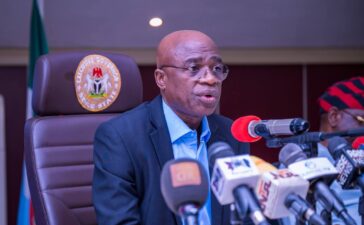
BIRS Executive Chairman, Joseph Kwaghbha, commended BIPIC’s progress under its current leadership but disclosed that PAYE deductions had not been remitted for over ten years, resulting in liabilities exceeding N280 million. He emphasized that BIRS cannot waive such obligations and that responsibility ultimately rests with the state government. Kwaghbha also requested detailed records of rental income from BIPIC-owned properties and advised formal engagement with the state government on unresolved matters.
Earlier, BIPC’s Head of Administration and Human Resources Management, Joshua Nyipira, highlighted the importance of enhanced inter-agency synergy in strengthening revenue administration and overall governance in Benue State.
The joint team is expected to develop clear modalities for settling the outstanding issues and submit actionable recommendations to the appropriate authorities for final resolution. The collaboration signals a renewed effort to address legacy financial entanglements between state-owned entities and improve fiscal coordination in Benue.