Join our WhatsApp channel HERE for the latest Benue news and updates!
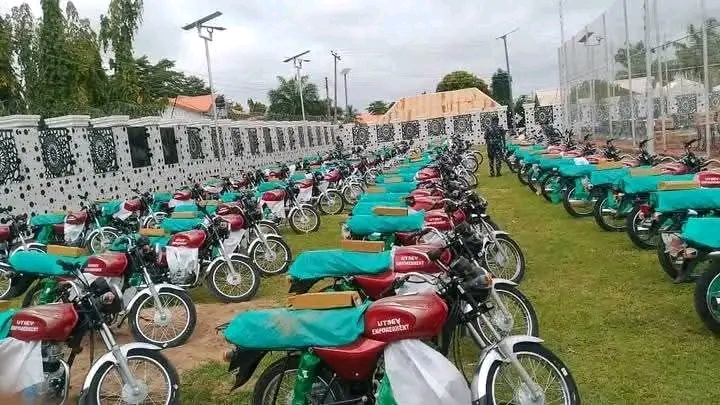
Frustration is mounting among the youth of Benue State as concerns grow over the continued distribution of okada (motorcycles) as a form of empowerment, a practice that has sparked debate and discontent. A recent social media post by local user @Krayzeetee has ignited discussions, highlighting the perceived inadequacy of this approach and calling for more substantial support from state leaders.

In the post, @Krayzeetee reflects on a 23-year cycle of motorcycle distribution, tracing it back to 2002 when then-Governor Senator Akume provided okada to teachers to ease their mobility. While that initiative was once understood, the user argues that in 2025—a time of global digitalization and human development—the same strategy feels outdated. “Our leaders are still giving party men okada and tagging it youth empowerment,” the post reads, questioning whether this is the best option available.
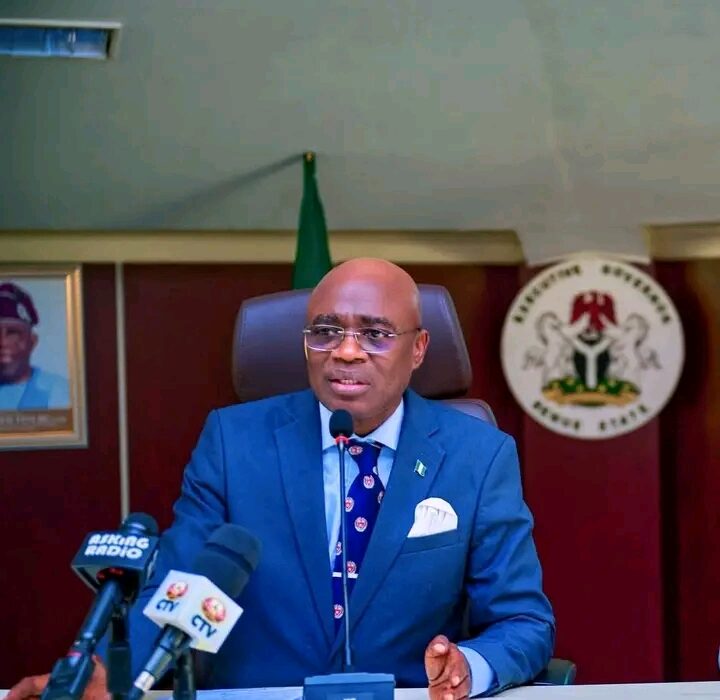
The post also raises concerns about equity, alleging that federal job slots meant for Benue residents are being filled by individuals from other regions, leaving local youth without opportunities. @Krayzeetee contrasts this with the efforts of Governor Fr. Hyacinth Alia, praising his youth empowerment initiatives, which include job creation and real empowerment centers. The user urges Benue leaders to emulate such models and move away from what they describe as superficial “bike sharing empowerment.”
Northern ministers have recently boasted of creating 500 jobs, yet @Krayzeetee claims these opportunities are again being allocated to those who do not need them, further fueling discontent. The post calls for more meaningful empowerment schemes, such as good jobs, grants, farm inputs, and startup capital, arguing that these would better serve the state’s youth.
The sentiment resonates with a broader call for change, with @Krayzeetee lamenting, “Believe me, everything is wrong after 23 years of being megally empowered with bikes, all we can think of is bike empowerment. I move.” The post has sparked a wave of comments, with many echoing the demand for leaders to rethink their approach and invest in the future of Benue’s young population.
As the debate continues, the youth of Benue are making it clear: they seek empowerment that matches the demands of a modern economy, not a repetition of past practices. Whether state leaders will heed this call remains to be seen.