Join our WhatsApp channel HERE for the latest Benue news and updates!
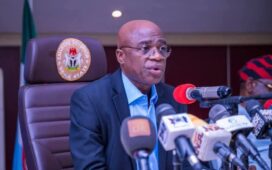
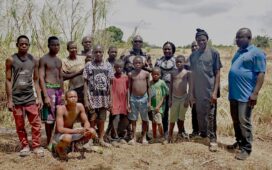
Benue State Governor, Rev. Fr. (Dr.) Hyacinth Iormem Alia, today hosted a high-level delegation from the Consortium of Caritas organisations at Government House, Makurdi, in a significant step to deepen collaboration aimed at providing durable solutions for Internally Displaced Persons (IDPs) and vulnerable communities affected by protracted conflict.

The visiting team included representatives from Caritas Germany, Catholic Relief Services (CRS), the Catholic Agency for Overseas Development (CAFOD), and the Catholic Caritas Foundation of Nigeria, working in partnership with the Justice Development and Peace Commission (JDPC). The meeting reaffirmed a shared commitment to transitioning from emergency humanitarian aid to long-term recovery, livelihood restoration, institutional strengthening, and the building of resilient, peaceful communities.
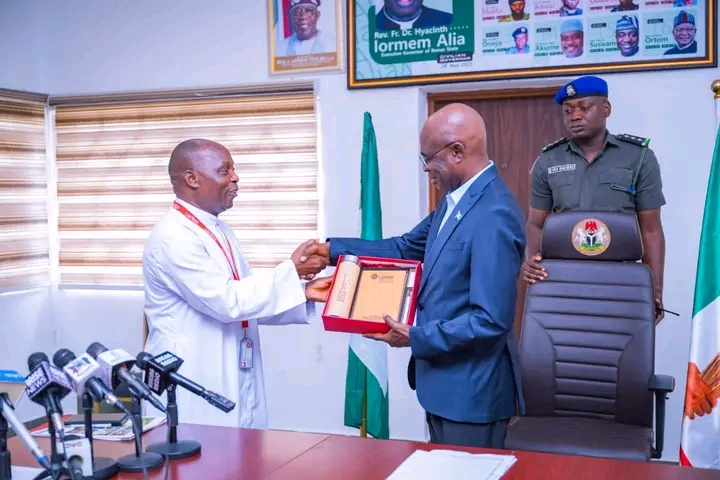
Governor Alia described the engagement as timely and essential, noting that Benue—long burdened by cycles of conflict, displacement, and insecurity—must prioritise sustainable pathways to stability. He emphasised that his administration is focused on restoring livelihoods, rebuilding trust in institutions, and fostering inclusive development that ensures displaced persons can return safely to their ancestral homes with dignity and security.
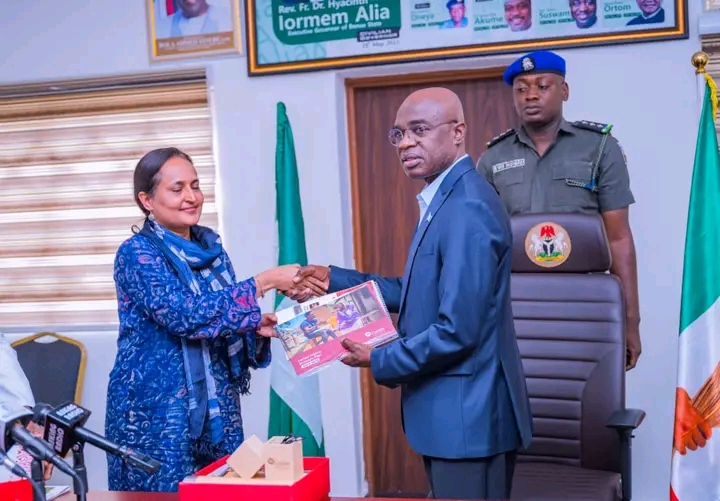
The Governor commended faith-based organisations, particularly the Catholic Church and its international partners, for their consistent and invaluable contributions to critical sectors including healthcare, education, social welfare, and overall human development in the state. He highlighted their frontline role in delivering life-saving interventions and supporting recovery-focused programmes for IDPs and other vulnerable households.
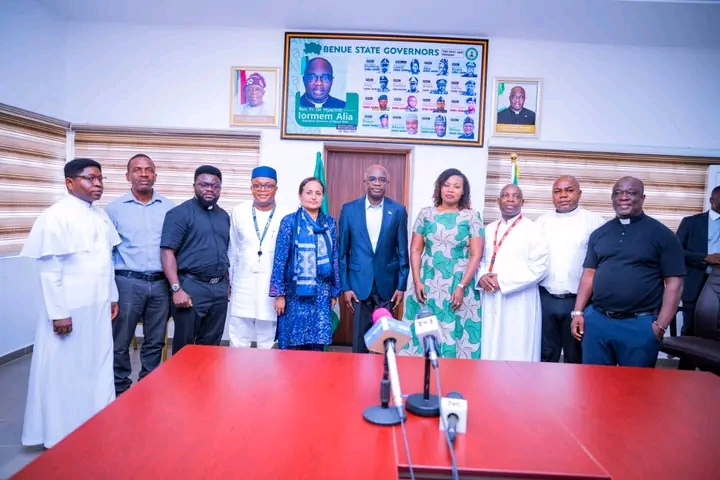
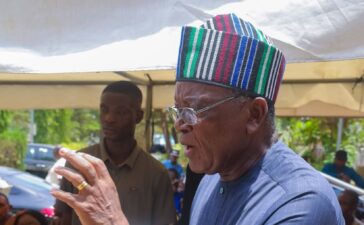
Speaking on behalf of the consortium, Rev. Fr. Peter Babangida Audu, the team lead, praised the Benue State Government for its sustained efforts in promoting peace, security, and citizen welfare—especially in communities hardest hit by violence. He outlined the consortium’s core mandates, which include providing emergency assistance, cash transfers for food security, and initiatives that promote dignity, choice, and access to basic needs while strengthening community resilience.
Fr. Audu explained that the visit served multiple purposes: to update the state government on the impact of ongoing interventions, reaffirm the partnership, and formalise a Memorandum of Understanding (MoU) designed to enhance coordination, avoid duplication, and maximise the effectiveness of humanitarian and development responses across Benue.
The renewed partnership is widely seen as a strategic move to align government priorities with the expertise and resources of established international and faith-based actors. Stakeholders expect the collaboration to accelerate coordinated efforts toward safe, voluntary, and dignified returns for IDPs, while laying the foundation for lasting peace, economic recovery, and inclusive growth in the state.
As Benue continues to navigate the complex challenges of conflict recovery, today’s high-level engagement signals strong political will and a united front between state authorities and humanitarian partners in pursuit of a more stable and prosperous future for all residents.