Join our WhatsApp channel HERE for the latest Benue news and updates!
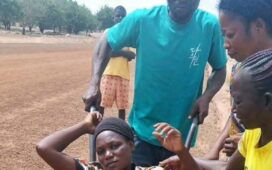
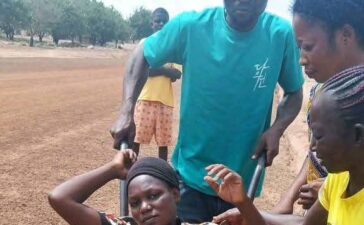
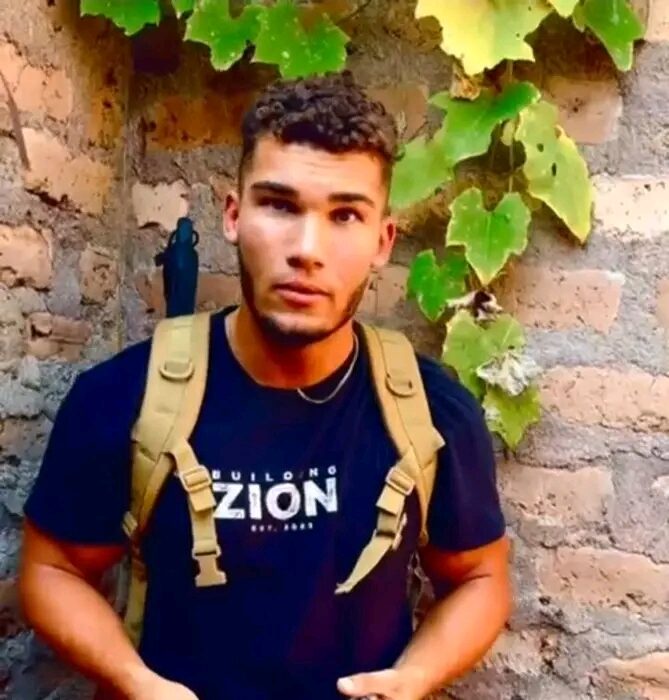
American humanitarian Alex Barbir, known for his ongoing efforts to support conflict survivors in Benue State, made a heartbreaking discovery during a recent visit to Yelewata village in Guma Local Government Area. Nearly seven months after the brutal June 2025 attack that claimed over 150 lives—many of them women and children killed while attending church—Barbir gathered scattered human bones belonging to young victims still lying exposed at the scene.
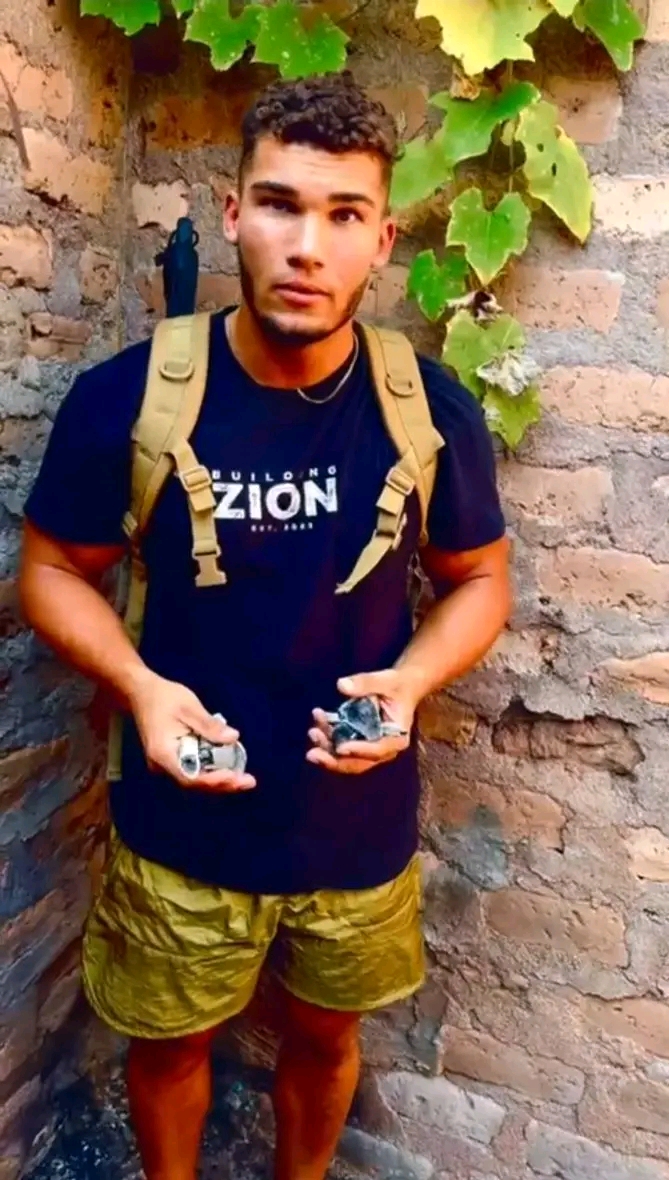
In a widely circulated social media post, a local observer described how the site, though partially cleared, retained visible remnants of the tragedy, with bones that could still be picked from the ground. The post mourned the innocent lives lost while worshiping and trusting in their faith, declaring that “the Yelewata soil is still crying for help” and that the children’s bones “are still crying to God for intervention.”
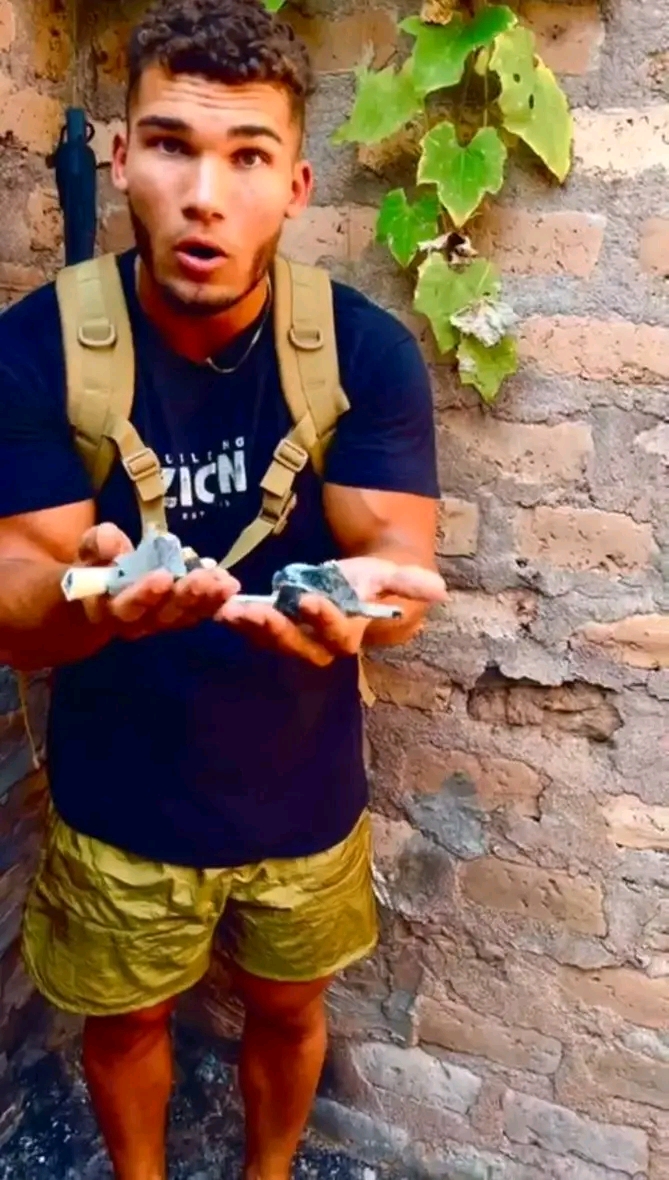
Drawing a powerful biblical parallel to the prophet Ezekiel’s vision of dry bones coming to life as a symbol of restoration and renewal, the message expressed hope that the suffering in Yelewata and similar communities across Nigeria would eventually give way to healing. It credited individuals like Barbir, alongside figures such as United States President Donald J. Trump and advocate Riley Moore, for working to address the persistent insecurity plaguing Christian farming villages in Nigeria’s Middle Belt.
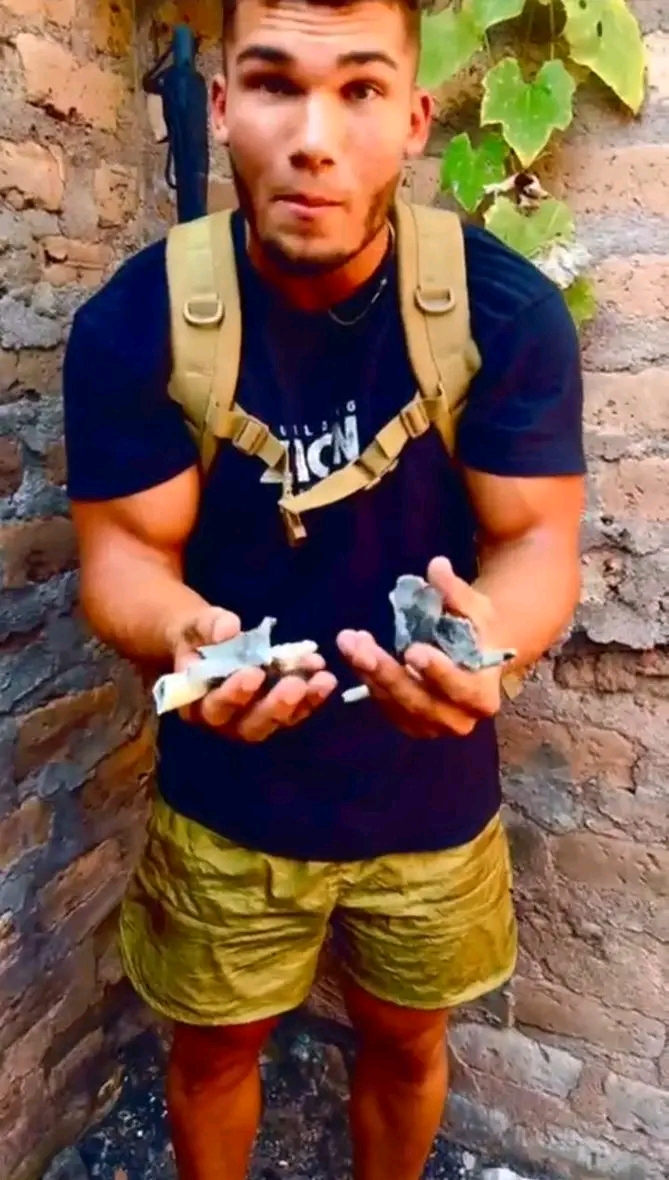
The post emphasized the stark reality of the situation, stating, “This isn’t a movie. You can equally visit to see things by yourself,” serving as both a call for awareness and an invitation for others to witness the unresolved aftermath firsthand.
As displaced families continue struggling in camps and rebuilding efforts face delays, discoveries like this serve as somber reminders of the human cost of prolonged communal violence and the urgent need for justice, recovery, and lasting peace in affected regions.