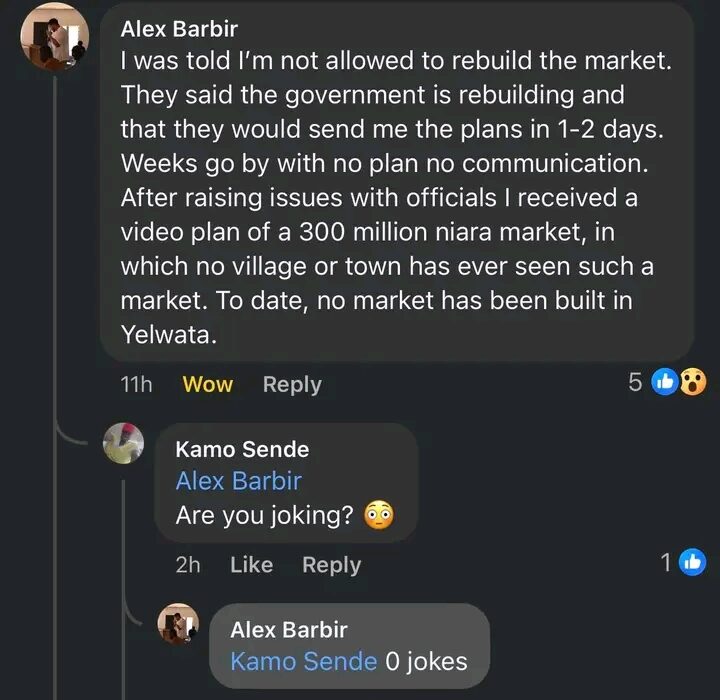
A recent social media post by Kamo Sende has sparked outrage and heartbreak within the Yelewata community in Guma Local Government Area, Benue State, highlighting what residents describe as deliberate obstruction of humanitarian aid following the devastating June 2025 massacre.

In his post, Sende recounts the story of an American volunteer—referred to in comments as Alex—who traveled to Yelewata to assist in rebuilding homes and renovating others destroyed when suspected Fulani herdsmen attacked the community on June 13-14, 2025. The assault claimed over 150 lives according to official figures, though local sources and international reports estimate up to 200 deaths, with many victims burned alive in their homes or market stalls.
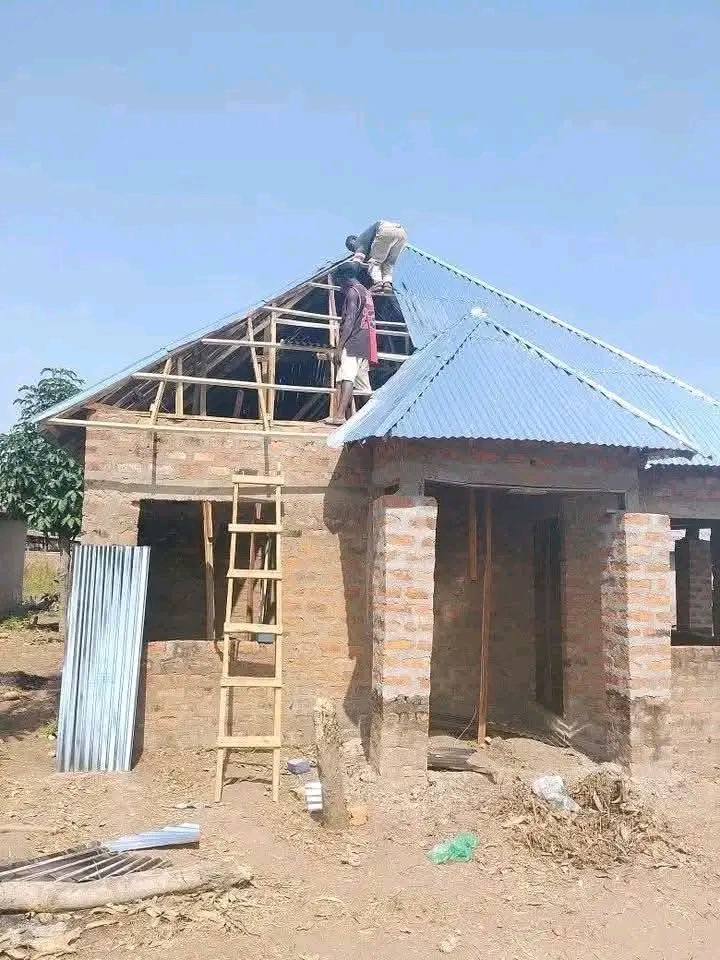
The volunteer, associated with efforts to restore normalcy, reportedly extended his help to reconstructing the community’s central market—a vital economic hub razed during the attack. However, officials informed him that he was not permitted to proceed because the government was handling the reconstruction and would soon provide plans.
Weeks turned into months with no communication, no plans, and no progress. Eventually, the volunteer received a video showcasing a grandiose design for a purported 300 million naira modern market complex—far grander than anything the rural community had ever known or needed. To this day, no market has been built, and the original helper’s initiatives remain blocked.
Sende expressed deep disillusionment, stating that genuine external aid was effectively chased away by promises of an extravagant government project that never materialized. He accused those in power of taking pleasure in the suffering of the people, deliberately frustrating relief efforts to prevent the community from recovering.
This allegation comes amid broader complaints from Yelewata survivors, who have repeatedly appealed for the use of donated funds to build modest housing and revive basic infrastructure. As of late 2025, reports indicate little to no government-led rebuilding has occurred, leaving displaced families in camps and the village in ruins.
The incident underscores the ongoing challenges faced by conflict-affected communities in Nigeria’s Middle Belt, where promises of intervention often fail to translate into action, fueling accusations of neglect and deepening mistrust between citizens and authorities. For the people of Yelewata, still grieving immense loss, such delays represent not just bureaucratic hurdles but a profound betrayal in their hour of greatest need.