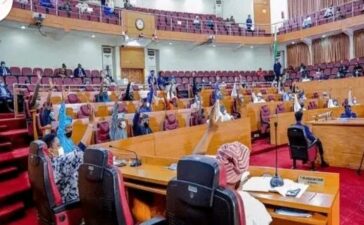
The dust refuses to settle on the trending marriage story that has dominated Nigerian social media for days, but today the Ikurav-Ya Traditional Council in Kwande Local Government Area of Benue State finally spoke.

In a statement issued this afternoon, the council confirmed that it has carried out a thorough investigation into the union that sparked nationwide outrage over the alleged marriage of an underage girl. According to their findings, the bride was born in 2006, completed her secondary school education in 2024, and both families gave their full, unforced consent to the marriage.

The council described the probe as necessary to “correct misinformation and provide clarity,” pointing out that several viral claims about the girl’s age and the circumstances of the wedding were either exaggerated or outright false.
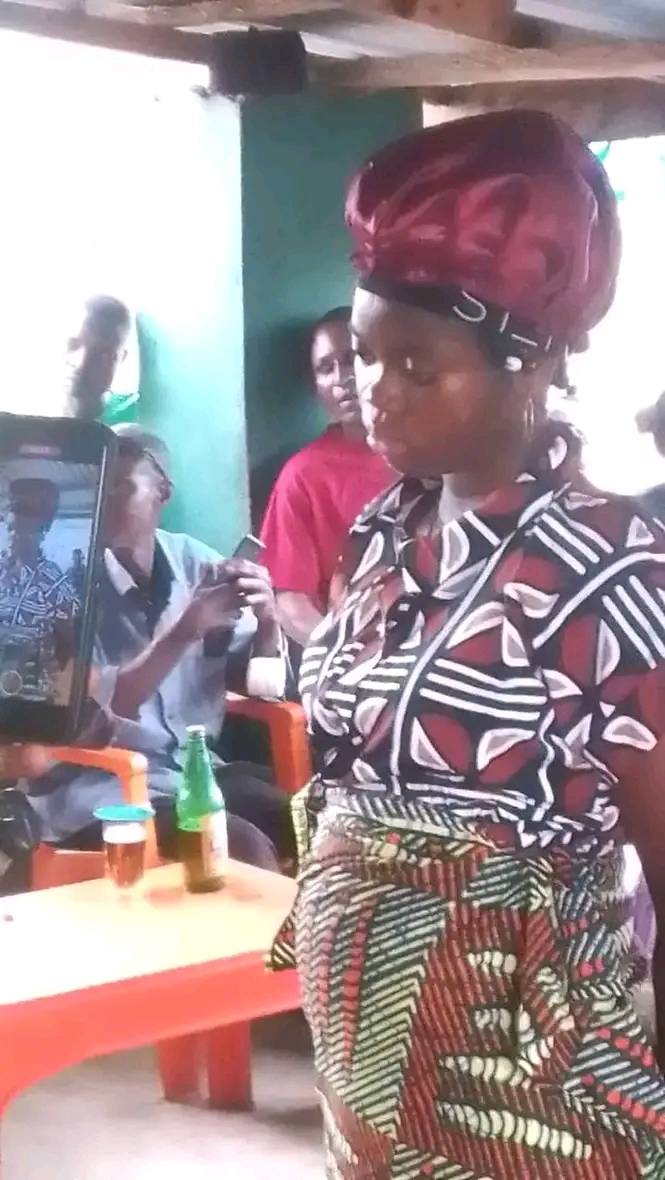
While the statement did not name the couple, it is clearly referring to the same marriage that triggered heated debates, petitions, and even threats of legal action from gender advocacy groups who insisted the bride was a minor.
By Nigerian law, the legal age of marriage with parental consent remains a contentious grey area in some states, though the Child Rights Act (adopted by Benue State) sets 18 as the minimum age for marriage. The council’s confirmation that the bride is 19 years old (turning 20 next year) effectively removes the “child marriage” label that fueled much of the public anger.
Whether this official clarification will calm the storm remains to be seen. Many online commentators have continued to question the optics of the union, the power dynamics involved, and the broader implications for girl-child education in rural communities, regardless of technical legality.
For now, the Ikurav-Ya Traditional Council has drawn a line: the marriage, in their view, was lawful, consensual, and culturally sanctioned.
The conversation, however, is far from over.